
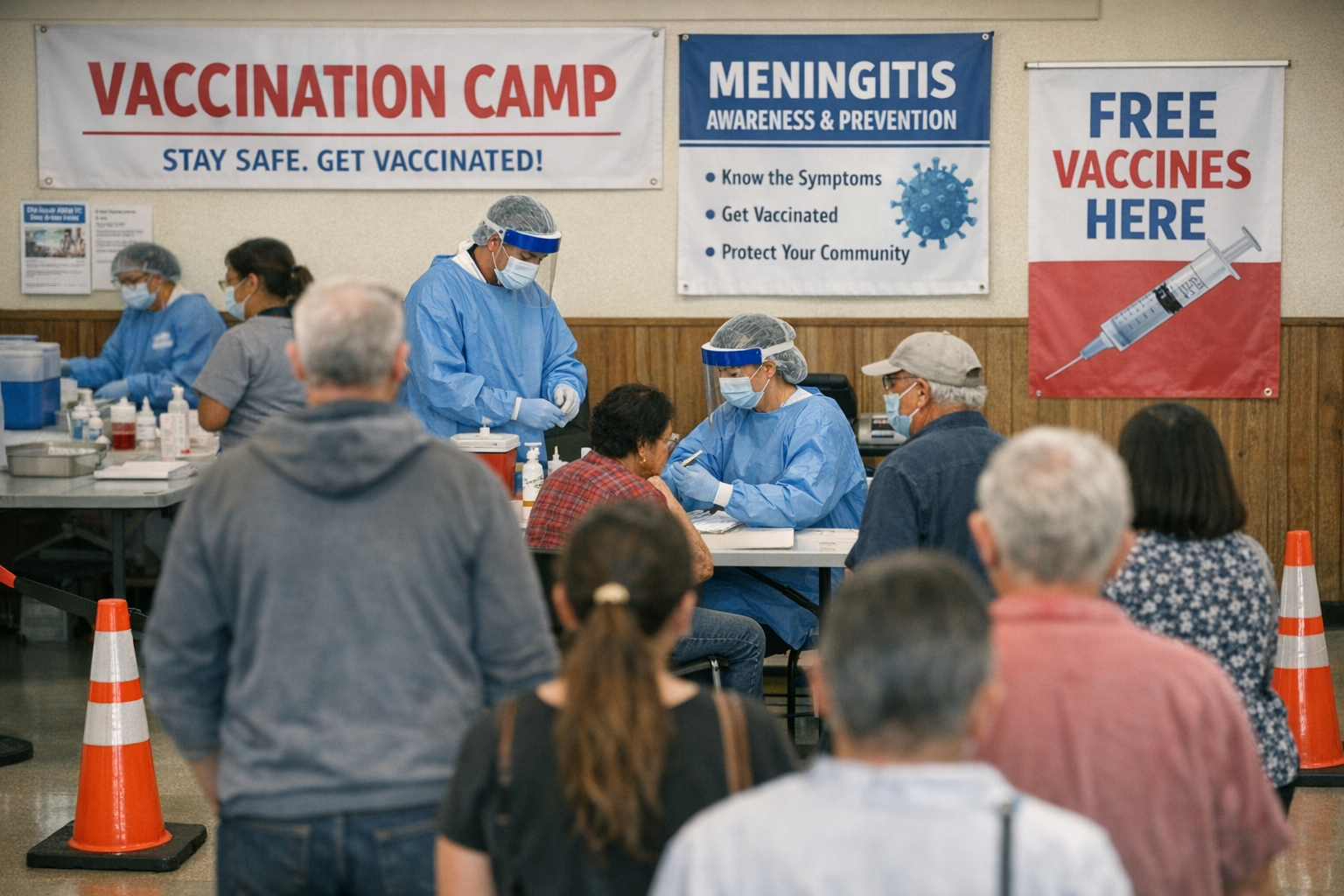
In recent months, global demand for the Meningitis vaccine has seen a noticeable rise. Health experts are attributing this increase to heightened awareness, localized outbreaks, and stronger public health campaigns emphasizing early vaccination.
This news-style blog explores what’s driving the demand, how the vaccine works, recommended doses, and why timely immunization is critical.
Contents
Why Is Meningitis Vaccine Demand Increasing?
Healthcare systems worldwide are reporting a steady uptick in vaccination requests. Several key factors are contributing to this trend:
- Recent outbreaks in schools and densely populated areas
- Increased public awareness through digital media and government campaigns
- Travel requirements for countries where meningitis risk is higher
- Rising concern among parents about childhood infectious diseases
Meningitis, an inflammation of the protective membranes covering the brain and spinal cord, can progress rapidly and become life-threatening if untreated. Vaccination remains the most effective prevention strategy.
What Is the Meningitis Vaccine?
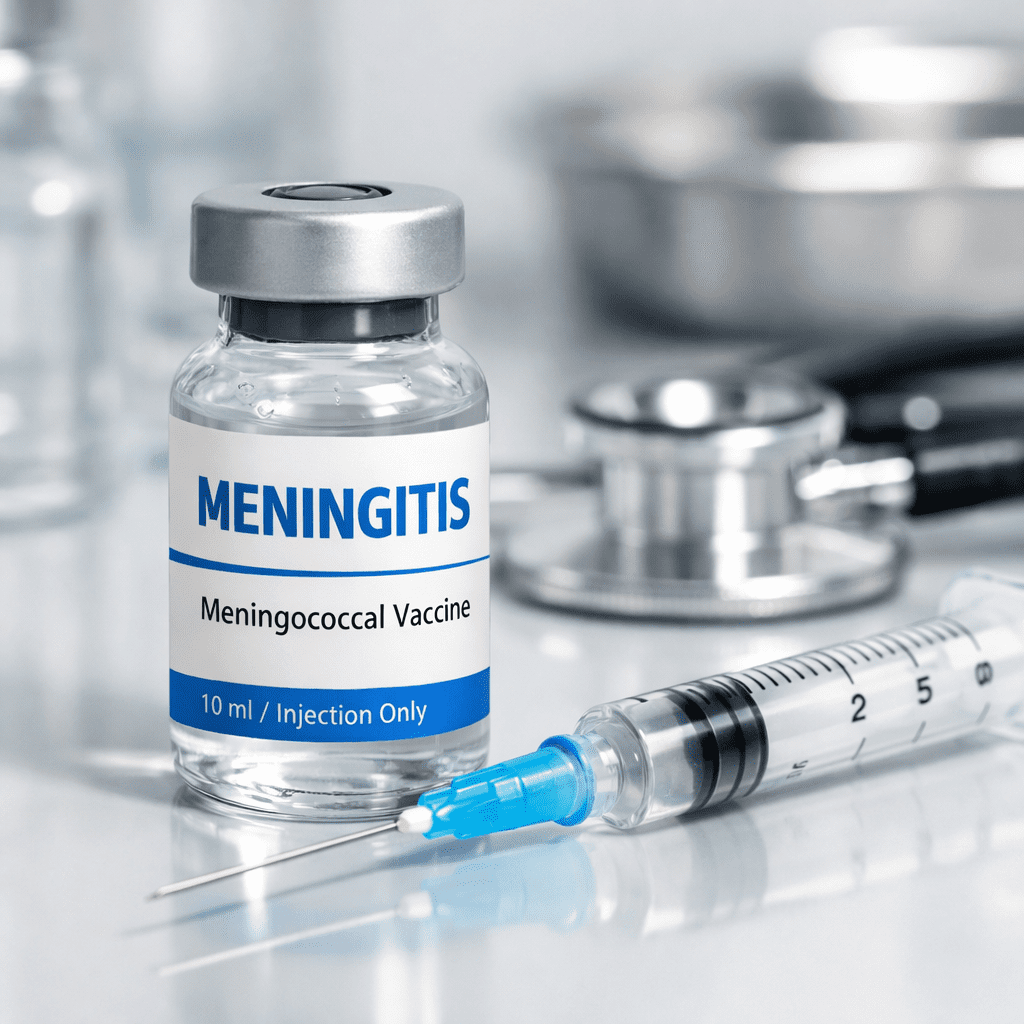
The meningitis vaccine protects against different strains of bacteria, particularly Neisseria meningitidis, which causes meningococcal meningitis. There are multiple types of vaccines available, including:
- MenACWY vaccine – protects against four common strains (A, C, W, Y)
- MenB vaccine – targets the B strain
- Combination vaccines in some countries
These vaccines help the immune system recognize and fight the bacteria before it causes serious illness.
Recommended Doses and Vaccination Schedule
Vaccination schedules may vary slightly by country, but general guidelines include:
For Infants and Children
- First dose: 9–12 months (depending on region)
- Booster dose: during adolescence (11–16 years)
For Teenagers and Young Adults
- Initial dose: around 11–12 years
- Booster: at 16 years
For Adults at Risk
- Travelers to high-risk regions
- College students living in dormitories
- Individuals with weakened immune systems
Doctors may recommend additional or booster doses depending on exposure risk.
How Effective Is the Vaccine?
Meningitis vaccines are highly effective in preventing serious infections. Studies show:
- Strong immune response within weeks of vaccination
- Long-lasting protection with booster doses
- Significant reduction in outbreak severity in vaccinated populations
However, no vaccine offers 100% protection, so awareness of symptoms remains important.
Common Symptoms of Meningitis
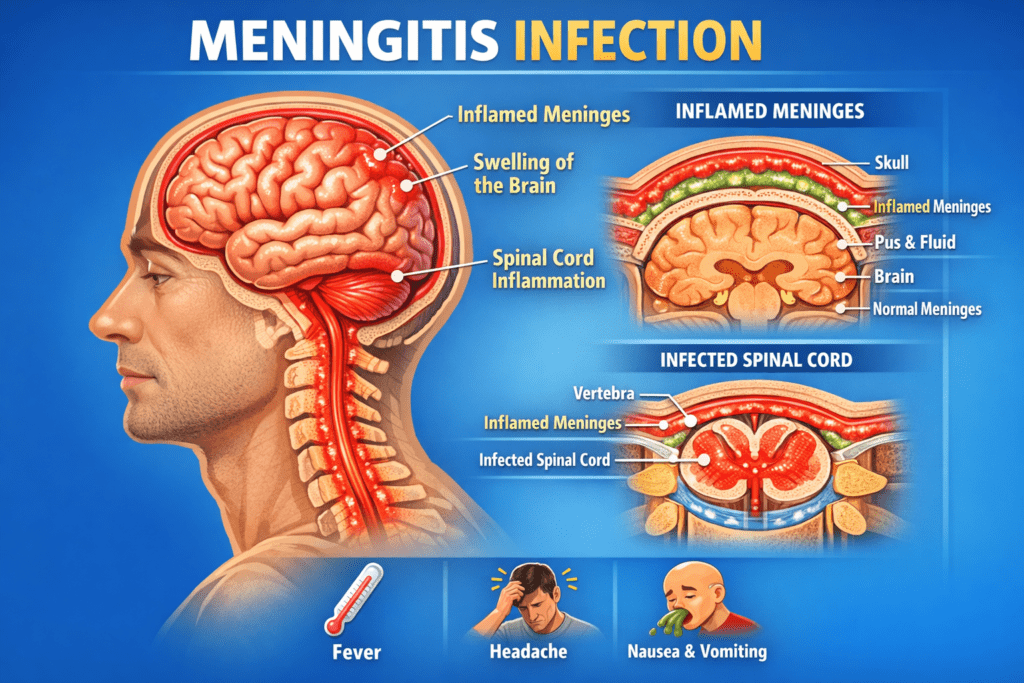
Even with vaccination, recognizing symptoms early can save lives. Key signs include:
- High fever
- Stiff neck
- Severe headache
- Sensitivity to light
- Nausea or vomiting
- Confusion or difficulty concentrating
If symptoms appear suddenly, immediate medical attention is essential.
Side Effects of the Vaccine
Most side effects are mild and temporary, such as:
- Pain or redness at the injection site
- Mild fever
- Fatigue
Serious side effects are rare, making the vaccine a safe preventive measure for most individuals.
Public Health Impact
The growing demand for meningitis vaccines is a positive sign. It reflects:

- Increased health consciousness
- Better disease prevention strategies
- Stronger government vaccination drives
Countries investing in immunization programs are seeing a decline in meningitis-related deaths and complications.
Should You Get Vaccinated?
If you or your family members fall into high-risk categories—or if vaccination is part of routine immunization—it is highly recommended to consult a healthcare provider.
Early vaccination not only protects individuals but also contributes to herd immunity, reducing the spread within communities.
Final Thoughts
The rising demand for meningitis vaccines is a crucial step toward better global health security. With timely vaccination, awareness, and preventive measures, the risks associated with meningitis can be significantly reduced.