
Introduction
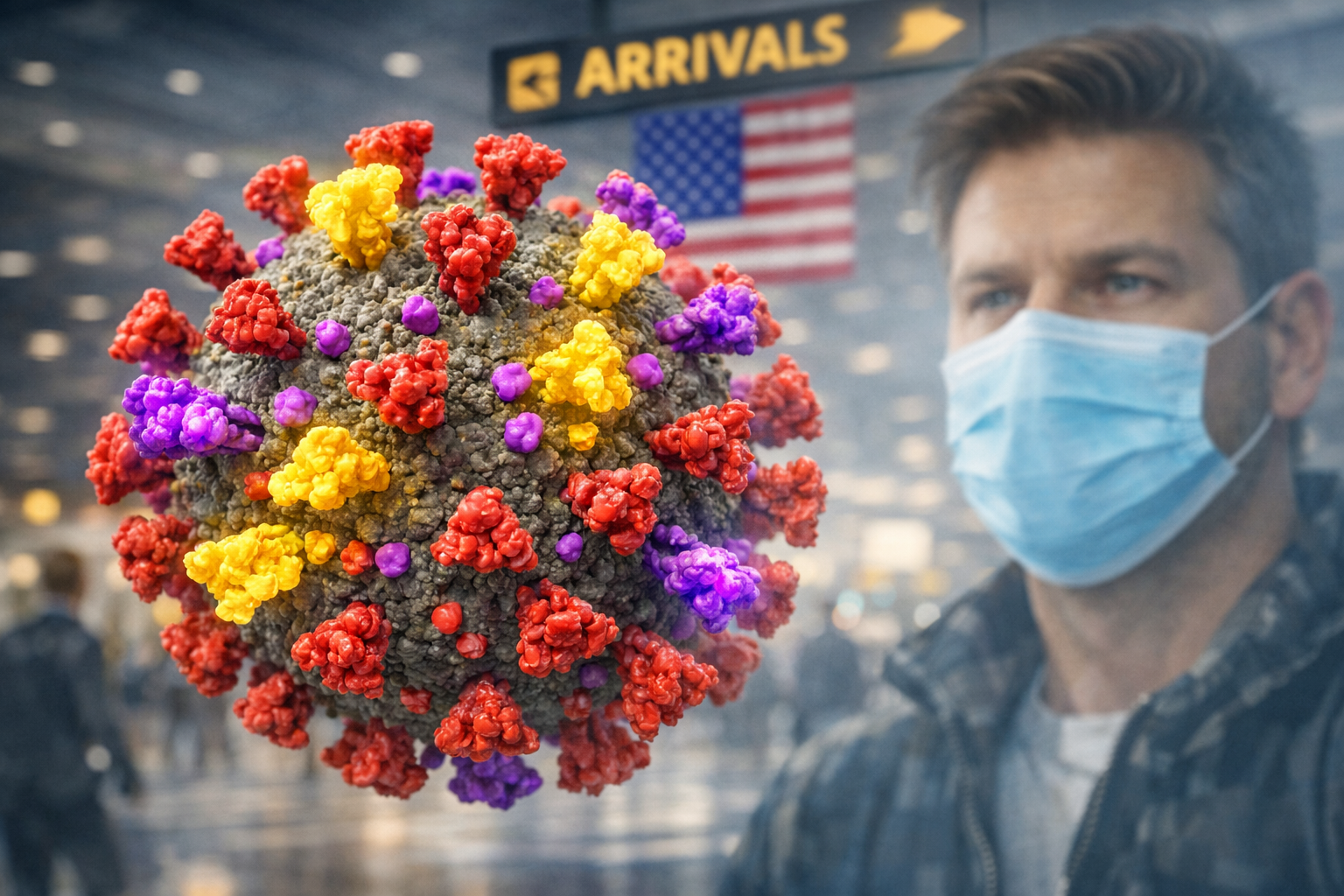
In a significant public health development, U.S. health authorities have confirmed the first detection of a mutated viral strain linked to an international traveler arriving at San Francisco International Airport (SFO). This discovery has raised concerns among epidemiologists and global health agencies, as viral mutations can influence transmission dynamics, disease severity, and vaccine effectiveness.
This article provides an in-depth, scientifically grounded analysis of the situation, its implications, and what it means for public health preparedness in the United States.
Contents
What Is a Mutated Viral Strain?
Viruses, especially RNA viruses, are prone to mutations due to errors during replication. A mutated viral strain occurs when genetic changes alter the virus’s structure or behavior.
Key Scientific Insights:
- Mutation Types: Point mutations, deletions, insertions
- Impact on Virus:
- Increased transmissibility
- Altered virulence
- Potential immune escape
- Selective Advantage: Some mutations help the virus survive better in hosts
These mutations are tracked through genomic sequencing, a critical tool in modern epidemiology.
Case Overview: SFO Traveler Linked to Detection
Timeline of Events:
- Arrival: International traveler landed at SFO
- Screening: Routine health checks flagged symptoms
- Testing: PCR testing confirmed viral infection
- Sequencing: Genome analysis identified a previously unreported mutation pattern in the U.S.
Key Findings:
- The strain shows distinct genetic markers not widely seen in domestic cases
- Early data suggests possible higher transmission efficiency
- No immediate evidence of increased severity—but investigations are ongoing
How Was the Mutation Identified?
The detection relied on advanced next-generation sequencing (NGS) technologies.

Process:
- Sample collection (nasal/throat swab)
- RNA extraction
- Genome sequencing
- Bioinformatics analysis
- Comparison with global databases (e.g., GISAID)
This process allows scientists to:
- Track viral evolution
- Identify clusters and outbreaks
- Monitor vaccine escape variants
Public Health Response
Immediate Actions Taken:
- Isolation of the infected traveler
- Contact tracing for all close contacts
- Enhanced surveillance at international entry points
- Coordination with CDC and WHO databases
Preventive Measures:
- Reinforced airport screening protocols
- Increased genomic surveillance nationwide
- Advisory issued to healthcare providers
Why This Detection Matters
1. Early Warning Signal
Detecting a mutation early helps prevent widespread transmission.
2. Vaccine Implications
Mutations in spike proteins or antigenic regions may:
- Reduce vaccine effectiveness
- Require booster updates
3. Global Connectivity Risk
Air travel remains a major pathway for viral spread, making airports like SFO critical surveillance hubs.
Symptoms and Clinical Observations
So far, symptoms observed in the patient are consistent with known viral infections:
- Fever
- Fatigue
- Mild respiratory distress
- Headache
No unusual clinical severity has been reported yet, but monitoring continues.
Expert Insights
Epidemiologists emphasize that mutation does not always mean danger, but vigilance is essential.
“Most mutations are harmless, but tracking them helps us stay ahead of potential threats.”
What Should the Public Do?
Recommended Actions:
- Stay updated with CDC guidelines
- Practice good hygiene (handwashing, masking if needed)
- Get vaccinated and boosted
- Avoid panic—focus on verified information
Future Outlook
The identification of this mutated strain highlights the importance of:
- Global data sharing
- Rapid diagnostics
- Adaptive vaccine strategies

Researchers are now studying:
- Transmission rate (R0)
- Immune escape potential
- Response to existing treatments
Conclusion
The first detection of a mutated viral strain linked to an SFO traveler underscores the evolving nature of infectious diseases in a globalized world. While there is no immediate cause for alarm, this event reinforces the need for continuous surveillance, scientific innovation, and public awareness.
Staying informed and prepared remains the best defense against emerging viral threats.