

Birth Control
Birth control helps people prevent pregnancy and plan for children when they’re ready. There are natural methods, which involve timing intercourse based on the body’s cycle to avoid pregnancy without any devices or medication. These methods require careful tracking and understanding of a woman’s ovulation cycle, like the calendar method or basal body temperature tracking.
Barrier methods, on the other hand, involve using devices that physically prevent sperm from meeting the egg. These include male and female condoms, diaphragms, and cervical caps. Barrier methods are easy to use, widely available, and provide an extra layer of protection. Both natural and barrier methods offer options to help couples manage their reproductive health based on their preferences and lifestyle.
Contents
Natural Methods of Birth Control 🌸
Natural methods work by avoiding the chances of the sperm and egg meeting. Here are a few key techniques:
1-Periodic Abstinence:
- Couples avoid intercourse during the fertile days of the menstrual cycle, typically from day 10 to 17, when ovulation occurs. This period is known as the fertile window, and abstaining during these days reduces the chances of conception.
2-Withdrawal (Coitus Interruptus):
- In this method, the male partner withdraws his penis from the vagina before ejaculation, preventing sperm from entering the female reproductive tract.
3-Lactational Amenorrhea:
- This method is based on the absence of menstruation during intense breastfeeding. While the mother is exclusively breastfeeding, ovulation is delayed, lowering the chances of pregnancy. However, this is effective for up to six months after childbirth.
Advantages:
No medications or devices are needed, so there are almost no side effects.
Disadvantages:
These methods require careful timing and discipline, and there is a higher risk of failure compared to other methods.
Barrier Methods of Birth Control 🛡️
Barrier methods physically block sperm from reaching the egg, providing a reliable and often safer form of birth control. Here are the most common types:
1-Condoms:
- Condoms are thin rubber or latex sheaths used to cover the penis (male condom) or vagina and cervix (female condom) during intercourse. They prevent sperm from entering the reproductive tract.
- Male condom: The most widely used form, with the popular brand Nirodh in India.
- Female condom: Gives women control over their contraception.
- Additional Benefits: Condoms also protect against sexually transmitted infections (STIs) and HIV/AIDS.
Read about sexually transmitted infections (STIs)
2-Diaphragms, Cervical Caps, and Vaults:
- These are reusable barriers made of rubber that are inserted into the female reproductive tract before intercourse.
- The barrier covers the cervix, which prevents sperm from entering the uterus.
3-Spermicides:
- Spermicidal creams, jellies, and foams are often used.
- Spermicides barrier methods to kill sperm and increase the effectiveness of contraception.
Intrauterine Devices (IUDs) 🌀
Another effective and popular birth control method is the use of Intrauterine Devices (IUDs), which are inserted into the uterus by a healthcare professional. Types of IUDs include:
- Non-medicated IUDs: Like the Lippes loop.
- Copper-releasing IUDs: Such as CuT, Cu7, and Multiload 375, which release copper ions that suppress sperm motility.
- Hormone-releasing IUDs: Like Progestasert and LNG-20, which release hormones that prevent pregnancy.
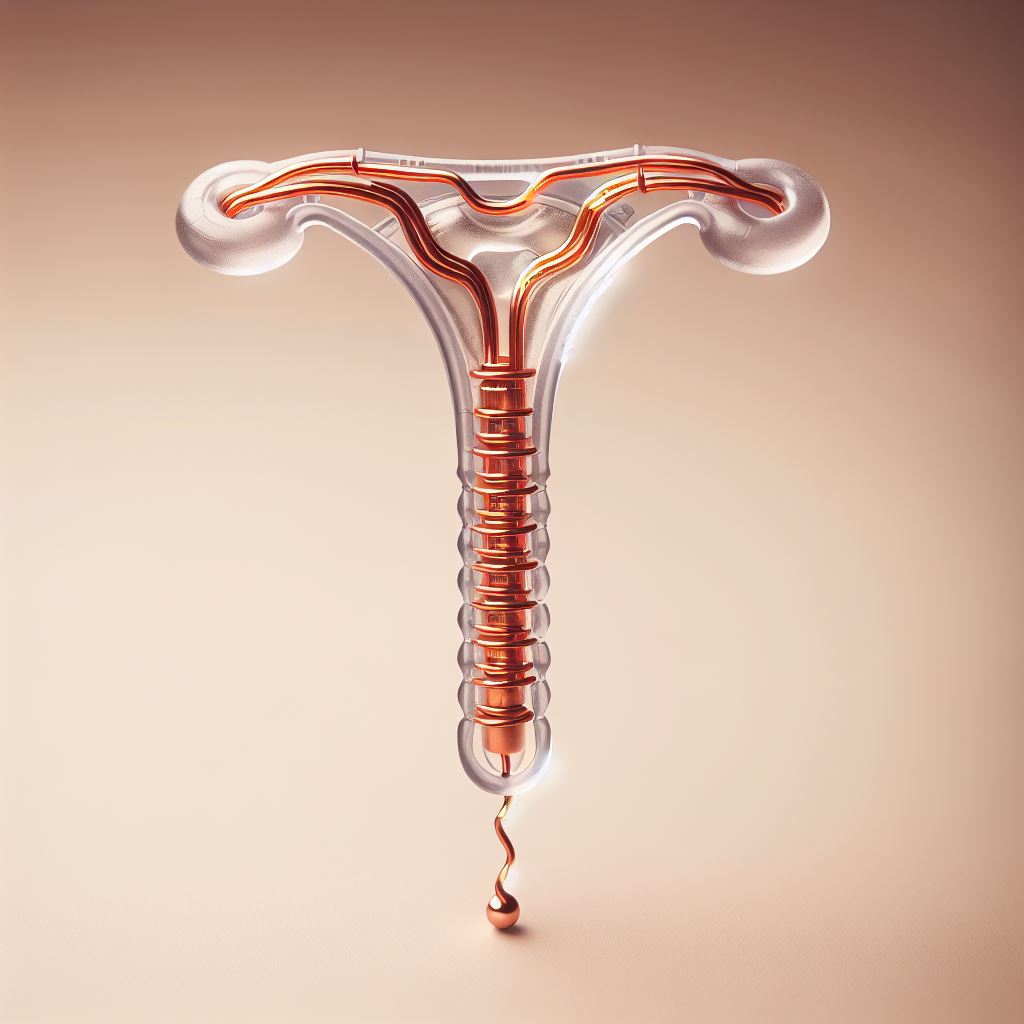
Benefits of IUDs:
- They are long-lasting and highly effective.
- Hormonal and copper IUDs can prevent fertilization by either disrupting sperm movement or preventing implantation.
Choosing the right method of birth control depends on individual preferences, health considerations, and lifestyle. Always consult with a healthcare provider to find the best option for you. 🌸
Effectiveness Comparison
Natural methods can be effective when followed strictly, but their success largely depends on user accuracy and consistency. Barrier methods, especially condoms, tend to offer more reliable protection when used correctly.
For example:
- Natural methods: Around 75–88% effective with typical use
- Male condoms: About 85% effective with typical use
Using barrier methods alongside fertility tracking can further improve protection.
Which Option Is Right for You?
The best choice depends on your lifestyle, health preferences, and comfort level. If you prefer a completely natural approach and are willing to track your cycle carefully, natural methods may work for you. If you want a more convenient, on-demand solution with added STI protection, barrier methods are often the better choice.
Final Thoughts
Both natural and barrier birth control methods offer hormone-free ways to prevent pregnancy. Understanding how each method works—and using it correctly—can help you make a confident and informed decision about your reproductive health.
FAQs,
1. What is birth control, and how does it work?
Birth control refers to methods used to prevent pregnancy. It works in different ways, such as stopping ovulation, blocking sperm from reaching the egg, or preventing a fertilized egg from implanting in the uterus.
2. What are the most effective birth control methods?
The most effective methods include intrauterine devices (IUDs), implants, and sterilization. These methods have over 99% effectiveness with typical use, while condoms and natural methods are slightly less effective.
3. Which birth control method is best without hormones?
Hormone-free options include condoms, diaphragms, copper IUDs, and natural fertility awareness methods. These are ideal for people who want to avoid hormonal side effects.
4. Can birth control fail even if used correctly?
Yes, no birth control method is 100% effective except abstinence. Even when used correctly, there is still a small chance of pregnancy, although the risk is very low with proper use.
5. Do condoms protect against both pregnancy and STIs?
Yes, condoms are the only birth control method that helps prevent both pregnancy and sexually transmitted infections (STIs) when used correctly and consistently.
6. What are natural birth control methods?
Natural methods involve tracking fertility signs like ovulation, menstrual cycle, and body temperature to avoid pregnancy during fertile days. These methods require consistency and awareness.
8. What are the side effects of birth control?
Side effects depend on the method. Hormonal birth control may cause nausea, mood changes, or weight changes, while barrier and natural methods typically have fewer side effects.
9. Can you get pregnant immediately after stopping birth control?
Yes, fertility can return quickly after stopping most birth control methods, sometimes within a few weeks. This depends on the type of method used.
10. Which birth control method is best for beginners?
Condoms and birth control pills are often recommended for beginners due to ease of use and accessibility. The best choice depends on individual preferences and health needs.

Diploma in Lab Technician (DMLT)
Paramedical Board, Delhi, Govt. of India
(Reg. No. REG/23/41/1391)
Dedicated and detail-oriented Lab Technician with hands-on experience in diagnostic
testing, sample collection, and laboratory procedures. Seeking a challenging role in a
reputable healthcare organization where I can utilize my skills and contribute to accurate
and efficient patient care.
“Each health article undergoes professional medical review by experienced doctors.”