
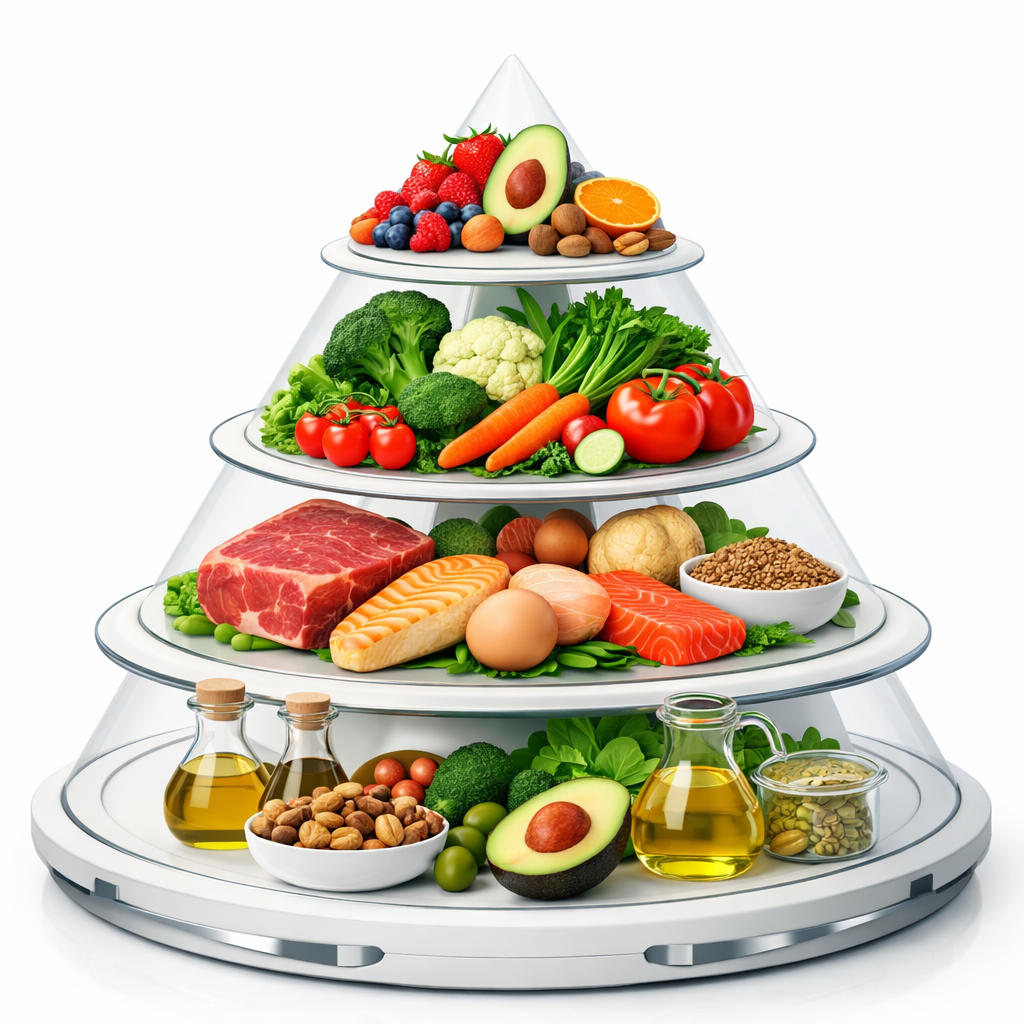
The way Americans think about food is changing rapidly. At the center of this shift is Robert F. Kennedy Jr., who has raised strong concerns about the current food system and dietary recommendations.
The RFK Jr. food pyramid review is not just about rearranging food groups—it’s about redefining how we view nutrition, health, and the role of industrial influence in what we eat.
In this in-depth guide, we’ll explore his perspective, analyze its scientific relevance, and understand whether this alternative approach could shape the future of dietary guidelines in the United States.
Contents
Understanding the Traditional Food Pyramid
The original food pyramid, introduced by the United States Department of Agriculture (USDA) in 1992, became the foundation of American nutrition education.
Key Features of the USDA Food Pyramid
- Base: Bread, rice, pasta (6–11 servings daily)
- Middle: Fruits and vegetables
- Upper: Protein and dairy
- Top: Fats, oils, and sweets (limited)
Later, the USDA replaced it with MyPlate, which simplified portion control using a plate model.
Limitations of the Traditional Model
Despite its popularity, critics argue that the pyramid:
- Promoted excessive carbohydrate consumption
- Overlooked food quality
- Was influenced by agricultural subsidies
This is where RFK Jr.’s critique begins.
RFK Jr. Food Pyramid Review – Core Criticism
1. Overconsumption of Refined Carbohydrates
RFK Jr. believes the traditional pyramid encouraged heavy consumption of:
- White bread
- Processed cereals
- Refined grains
These foods may contribute to:
- Obesity
- Type 2 diabetes
- Metabolic syndrome
2. Influence of Industrial Food Systems
According to RFK Jr., dietary guidelines may have been shaped by:
- Large agribusiness corporations
- Government subsidies for corn and wheat
- Processed food manufacturers
This raises concerns about whether public health recommendations truly prioritize consumer well-being.
3. Neglect of Food Quality
One of the biggest gaps in the traditional pyramid is the lack of focus on:
- Organic vs. non-organic foods
- Chemical exposure
- Nutrient density
RFK Jr. emphasizes that not all calories are equal—quality matters just as much as quantity.

The RFK Jr. Alternative Food Pyramid Model

The RFK Jr. Alternative Food Pyramid Model” is a modern, health-focused interpretation of a food pyramid inspired by ideas often associated with Robert F. Kennedy Jr. It emphasizes natural, whole foods, environmental sustainability, and reducing processed products.
Base Layer – Whole, Organic Foods
- Leafy greens (spinach, kale)
- Fresh fruits
- Organic vegetables
- Whole, unprocessed grains (in moderation)
These foods provide:
- Essential vitamins and minerals
- Antioxidants
- Fiber for digestive health
Middle Layer – Healthy Proteins and Fats
- Grass-fed meat
- Wild-caught fish
- Nuts and seeds
- Olive oil and natural fats
These help with:
- Brain function
- Hormonal balance
- Muscle repair
Top Layer – Limited Processed Foods
- Sugary snacks
- Packaged foods
- Artificial additives
RFK Jr. suggests minimizing these to reduce chronic disease risk.
Key Principles Behind RFK Jr.’s Nutrition Philosophy
1. Food as Medicine
He supports the concept that diet plays a central role in preventing illness rather than relying solely on medical treatments.
2. Reducing Toxic Exposure
Focus on limiting:
- Pesticides
- Food additives
- Environmental toxins
3. Supporting Sustainable Agriculture
Encourages:
- Local farming
- Organic practices
- Ethical sourcing
This aligns with growing consumer demand for transparency.

Scientific Analysis – What Does Research Say?
The RFK Jr. food pyramid review aligns with some scientific findings but also raises debate.
What Science Supports
- Whole foods improve overall health
- High sugar intake increases disease risk
- Healthy fats are essential
Areas of Controversy
- GMO safety remains debated
- Not all processed foods are harmful
- Grain consumption can be healthy in moderation
Nutrition experts emphasize balance rather than extreme elimination.
Benefits of the RFK Jr. Approach
1. Improved Metabolic Health
Focusing on whole foods may reduce:
- Blood sugar spikes
- Insulin resistance
2. Better Nutrient Intake
Organic and unprocessed foods often contain:
- Higher micronutrients
- Fewer harmful chemicals
3. Environmental Impact
Sustainable farming practices support:
- Soil health
- Biodiversity
- Reduced pollution
Potential Drawbacks and Criticism
1. Cost of Organic Foods
Organic products can be expensive and less accessible.

2. Lack of Standardization
No official pyramid or guideline makes it harder to follow.
3. Scientific Disagreements
Some claims lack consensus in the scientific community.
RFK Jr. Food Pyramid vs USDA MyPlate
| Feature | RFK Jr. Model | USDA MyPlate |
|---|---|---|
| Focus | Food quality | Portion balance |
| Grains | Limited/refined reduced | Significant portion |
| Processed Foods | Minimized | Allowed in moderation |
| Organic Emphasis | Strong | Not specified |
Thoughts
The RFK Jr. food pyramid review challenges traditional dietary thinking and encourages a deeper look at what we eat and why.
While not all of his ideas are universally accepted, his emphasis on:
- Whole foods
- Reduced processing
- Transparency in food systems
…resonates strongly with modern health-conscious consumers.
As nutrition science evolves, the future may not rely on a single pyramid—but rather a personalized approach that blends science, sustainability, and individual health needs.

Diploma in Lab Technician (DMLT)
Paramedical Board, Delhi, Govt. of India
(Reg. No. REG/23/41/1391)
Dedicated and detail-oriented Lab Technician with hands-on experience in diagnostic
testing, sample collection, and laboratory procedures. Seeking a challenging role in a
reputable healthcare organization where I can utilize my skills and contribute to accurate
and efficient patient care.
“Each health article undergoes professional medical review by experienced doctors.”