
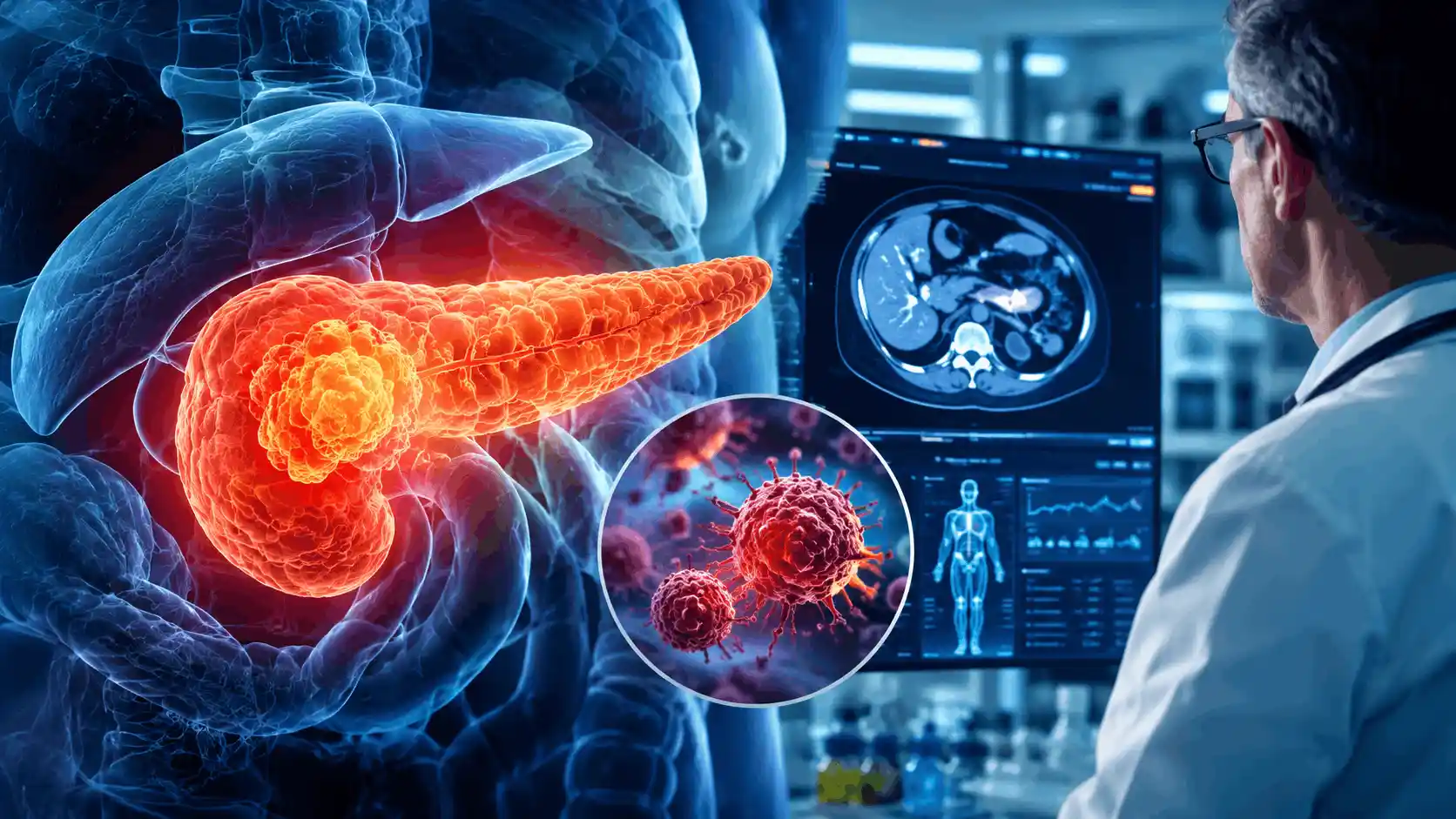
What Is Pancreatic Cancer?
Pancreatic cancer develops when abnormal cells grow uncontrollably in the pancreas, an organ located behind the stomach. The pancreas plays a critical role in digestion and blood sugar regulation by producing digestive enzymes and insulin.
Contents
Pancreatic cancer is considered one of the most aggressive cancers because it is often detected in advanced stages. Early diagnosis and timely treatment can improve survival rates and quality of life.
ICD-10 Code for Pancreatic Cancer
These ICD-10 codes are used for medical diagnosis records, insurance billing, hospital documentation, and healthcare classification systems.
C25 — Malignant neoplasm of the pancreas
For Specific subcategories, include:
- C25.0 — Head of pancreas
- C25.1 — Body of pancreas
- C25.2 — Tail of pancreas
- C25.3 — Pancreatic duct
- C25.4 — Endocrine pancreas
- C25.7 — Other parts of the pancreas
- C25.8 — Overlapping lesion of the pancreas
- C25.9 — Pancreas, unspecified
These codes are commonly used for medical billing, documentation, insurance claims, and healthcare records.
Causes of Pancreatic Cancer
The exact cause of pancreatic cancer is not always known, but several risk factors may increase the likelihood of developing the disease in humans.
Common Causes and Risk Factors
Smoking
Tobacco use worldwide is one of the leading causes of pancreatic cancer. Smokers have a significantly higher risk compared to non-smokers. Smoking is a silent killer. By the time you realize what is happening, it will be too late.
Chronic Pancreatitis
Chronic inflammation of the pancreas can damage pancreatic tissues and increase the risk of cancer. Treatment should be sought in a timely manner; people often take this lightly, and by the time they act, it is too late.
Family History
A family history of pancreatic cancer or inherited genetic syndromes may raise susceptibility.
Diabetes
Long-standing diabetes, especially type 2 diabetes, has been associated with pancreatic cancer. So, patients with Type 2 diabetes should be cautious.
Obesity
Excess body weight and unhealthy dietary habits can contribute to pancreatic cancer development by increasing chronic inflammation, insulin resistance, and hormonal imbalances in the body. Obesity is also associated with higher levels of certain growth factors that may promote abnormal cell growth in the pancreas. Diets high in processed foods, red meat, sugary beverages, and unhealthy fats may further increase the risk over time.
Age
Pancreatic cancer is more common in older adults, particularly individuals over age 60. As people age, cells in the body undergo repeated damage over time from factors such as inflammation, smoking, environmental toxins, and natural aging processes. This increases the likelihood of genetic mutations in pancreatic cells, which can eventually lead to uncontrolled cell growth and pancreatic cancer. Older adults are also more likely to have chronic conditions such as diabetes, obesity, or pancreatitis, which may further raise the risk.
Alcohol Consumption
Heavy alcohol intake can lead to chronic pancreatitis, which may increase cancer risk. Excessive alcohol consumption can lead to chronic pancreatitis, which may increase the risk of cancer. It also causes fat accumulation in the liver—resulting in fatty liver disease—and can lead to inflammation and other complications.
Early Symptoms of Pancreatic Cancer
Pancreatic cancer symptoms often appear late, making early detection difficult.
Common Symptoms
- Persistent abdominal pain
- Back pain
- Unexplained weight loss
- Loss of appetite
- Jaundice (yellowing of the skin and eyes)
- Dark urine
- Pale or greasy stools
- Fatigue and weakness
- Nausea and vomiting
- New-onset diabetes
- Blood clots
Symptoms can vary depending on the location and stage of the tumor.
Types of Pancreatic Cancer
Exocrine Tumors
These are the most common types of pancreatic cancer, and unfortunately, pancreatic adenocarcinoma is the form doctors diagnose most frequently.
Neuroendocrine Tumors
These rare tumors develop in hormone-producing cells of the pancreas. that cells are alpha and beta, which control the sugar in the body. If you are a sugar patient, pay attention here.
Diagnosis of Pancreatic Cancer
Doctors may use several tests to confirm pancreatic cancer.
Imaging Tests
Blood Tests
Blood tests may help detect tumor markers such as CA 19-9 because pancreatic cancer cells can release this protein into the bloodstream. Doctors use the CA 19-9 test to support diagnosis, evaluate how advanced the cancer may be, and monitor how well treatment is working over time.
Biopsy
A biopsy involves removing a small sample of tissue from the pancreas so it can be examined under a microscope in a laboratory. Doctors perform a biopsy to confirm whether cancer cells are present, determine the exact type of pancreatic cancer, and help guide the most appropriate treatment plan.
Stages of Pancreatic Cancer
Pancreatic cancer is classified into stages based on tumor size and spread.
- Stage 1: Cancer limited to the pancreas
- Stage 2: Cancer spreads to nearby tissues or lymph nodes
- Stage 3: Cancer involves major blood vessels
- Stage 4: Cancer spreads to distant organs
Treatment for Pancreatic Cancer
Treatment for pancreatic cancer is carefully chosen based on the stage of the disease, the location of the tumor, and the patient’s overall health, because every person’s condition and treatment journey is unique. Doctors aim to provide the most effective care possible while also helping patients maintain comfort, strength, and quality of life throughout treatment.
Surgery
Surgery may offer the best chance for a cure if cancer is detected early.
Common Surgical Procedures
- Whipple procedure
- Distal pancreatectomy
- Total pancreatectomy
Chemotherapy
Chemotherapy uses powerful drugs to destroy cancer cells or slow tumor growth by targeting rapidly dividing cells throughout the body. Although the treatment can be physically and emotionally challenging, it may help shrink tumors, control the spread of cancer, and give patients more time and hope during their fight against pancreatic cancer.
Radiation Therapy
Radiation therapy uses high-energy beams to target and damage cancer cells in specific areas of the body. Doctors may recommend radiation to help shrink tumors, reduce pain, or improve the effectiveness of surgery and chemotherapy, while helping patients feel more comfortable during treatment.
Targeted Therapy
Targeted therapy works by focusing on specific genetic mutations or proteins that help pancreatic cancer cells grow and survive. This personalized approach may offer more precise treatment with fewer effects on healthy cells, giving some patients a more tailored and hopeful treatment option.
Immunotherapy
Immunotherapy helps the body’s own immune system recognize and attack cancer cells more effectively. While it may not work for every patient, some individuals with certain tumor characteristics may experience meaningful benefits and improved treatment outcomes.
Palliative Care
Palliative care focuses on relieving pain, managing symptoms, and improving quality of life for patients and families facing advanced pancreatic cancer. Along with medical support, it also provides emotional comfort, dignity, and compassionate care during one of the most difficult stages of the cancer journey.
Prevention Tips
Although pancreatic cancer cannot always be prevented, healthy lifestyle habits may lower risk.
Prevention Strategies
- Avoid smoking
- Maintain a healthy weight
- Eat a balanced diet
- Limit alcohol consumption
- Exercise regularly
- Manage diabetes properly
Prognosis and Survival Rate
Pancreatic cancer survival rates depend heavily on how early the disease is diagnosed. Localized pancreatic cancer has a better prognosis compared to advanced metastatic disease.
Advances in cancer research, precision medicine, and targeted therapies continue to improve treatment outcomes.
When to See a Doctor
It is important to seek medical attention if you experience persistent or unusual symptoms, because pancreatic cancer often develops silently and may not show clear warning signs in its early stages. Ignoring symptoms such as unexplained weight loss, ongoing abdominal pain, jaundice, digestive problems, or sudden changes in health can delay diagnosis and treatment. Early medical evaluation may improve treatment options, provide better symptom control, and offer patients and families a greater sense of hope and reassurance during a difficult time.
- Persistent abdominal or back pain
- Unexplained weight loss
- Jaundice
- Ongoing digestive problems
- Sudden diabetes without a clear cause
Early evaluation may help detect pancreatic cancer sooner.
Conclusion
Pancreatic cancer is a serious and potentially life-threatening disease that often develops silently in its early stages. Understanding the ICD-10 classification, causes, symptoms, diagnosis, and treatment options can help patients and families make informed healthcare decisions. Early diagnosis, lifestyle changes, and modern treatment approaches may improve outcomes and quality of life.
FAQ’s
1. What are the early warning signs of pancreatic cancer?
Early symptoms of pancreatic cancer may include unexplained weight loss, abdominal or back pain, jaundice, loss of appetite, fatigue, nausea, and digestive problems. Unfortunately, many people do not notice symptoms until the disease has progressed.
2. Is pancreatic cancer curable?
Pancreatic cancer may be treatable and, in some early-stage cases, potentially curable with surgery and other treatments. However, the chances of successful treatment are higher when the cancer is detected early before it spreads.
3. What is the survival rate for pancreatic cancer?
The survival rate depends on the stage of the cancer at diagnosis, overall health, and response to treatment. Early-stage pancreatic cancer generally has a better prognosis compared to advanced metastatic disease.
4. Can pancreatic cancer be detected through blood tests?
Blood tests such as the CA 19-9 tumor marker test may help doctors monitor pancreatic cancer, but they are not enough alone to confirm a diagnosis. Imaging scans and biopsies are usually needed for accurate detection.
5. What are the main causes and risk factors for pancreatic cancer?
Common risk factors include smoking, obesity, chronic pancreatitis, diabetes, family history, older age, unhealthy diet, and heavy alcohol consumption. While these factors may increase risk, pancreatic cancer can sometimes occur without a clear cause.

Diploma in Lab Technician (DMLT)
Paramedical Board, Delhi, Govt. of India
(Reg. No. REG/23/41/1391)
Dedicated and detail-oriented Lab Technician with hands-on experience in diagnostic
testing, sample collection, and laboratory procedures. Seeking a challenging role in a
reputable healthcare organization where I can utilize my skills and contribute to accurate
and efficient patient care.
“Each health article undergoes professional medical review by experienced doctors.”