
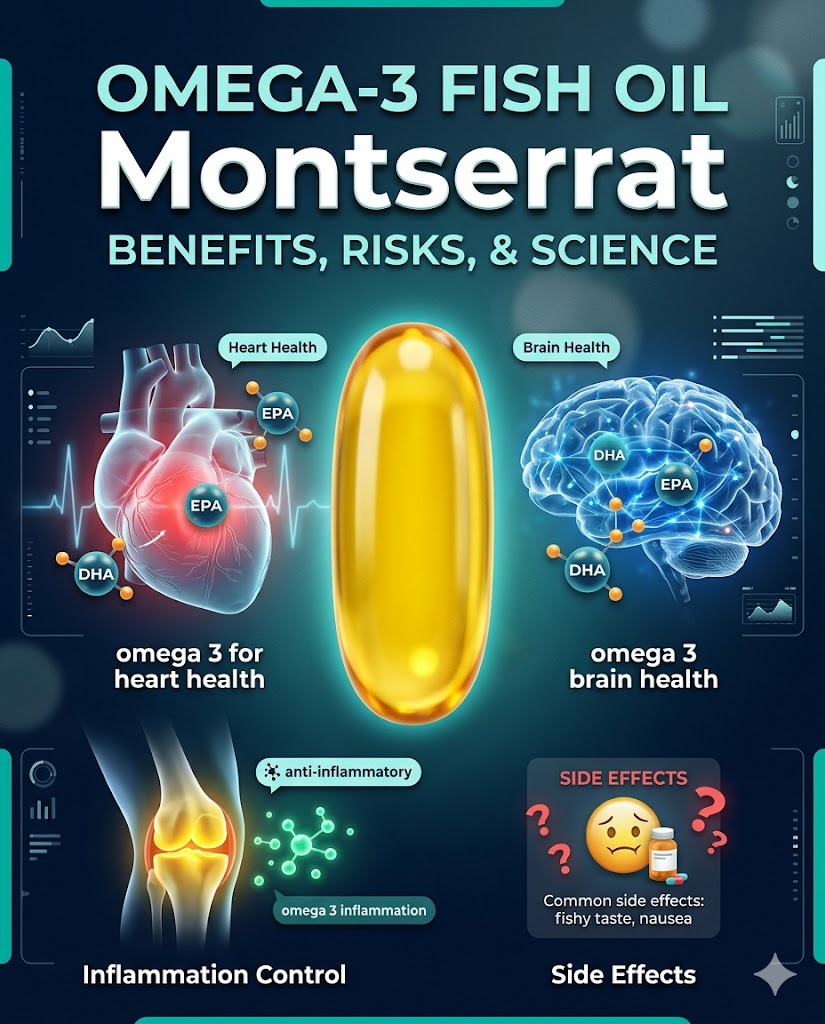
Omega-3 fish oil has become one of the most widely used dietary supplements in the world, especially in the United States. It is often promoted for heart health, brain support, inflammation control, and even mood improvement. But behind the marketing, the real science is more nuanced—showing both meaningful benefits and important limitations.
According to Science Alert, Omega-3s are essential fatty acids, meaning your body cannot produce them on its own. You must get them from food or supplements. The two most biologically active forms are EPA (eicosapentaenoic acid) and DHA (docosahexaenoic acid), mainly found in fatty fish like salmon, mackerel, and sardines.
Fish oil supplements are simply concentrated sources of these fats in capsules or liquids.
Contents
What Omega-3 Fish Oil Does in the Body
Omega-3 fatty acids are not “quick fix” nutrients. Instead, they become part of your cell membranes and influence long-term biological processes such as inflammation, blood flow, and brain signaling.
According to major clinical research summaries, omega-3s are involved in:
- Regulating inflammation in the body
- Supporting brain cell structure and communication
- Helping maintain normal triglyceride levels
- Supporting cardiovascular function
Because of these roles, omega-3s are studied across many conditions—from heart disease to depression and neurodegenerative disorders.
Proven Benefits of Omega-3 Fish Oil
1. Heart and Cardiovascular Health
One of the strongest areas of research is heart health.
Studies show omega-3s may:
- Lower triglycerides
- Slightly reduce blood pressure
- Reduce inflammation in blood vessels
- Support overall cardiovascular function
However, newer evidence suggests an important distinction:
- Eating fish regularly is clearly beneficial
- Supplements show mixed or modest heart benefits in general populations
This means diet still matters more than pills for most people.
2. Brain Health and Cognitive Support
According to Science Daily, Omega-3s, especially DHA, are structural components of the brain.
Research suggests they may:
- Support memory and learning
- Help maintain brain cell integrity
- Possibly reduce risk of cognitive decline over time
Recent discussions in scientific literature also highlight links between higher omega-3 levels and reduced dementia risk in large population studies, though results vary by population and dosage.
3. Inflammation and Joint Health
Omega-3 fish oil is often used for inflammatory conditions like arthritis.
Clinical research indicates it may:
- Reduce joint stiffness
- Improve morning mobility
- Decrease mild inflammation symptoms
The effect is generally moderate—not a cure, but sometimes clinically meaningful.
4. Metabolic and Triglyceride Control
Omega-3 fatty acids can help lower blood triglycerides by changing how the liver processes fats. Triglycerides are a type of fat found in the blood. When triglyceride levels become too high, they can contribute to plaque buildup inside arteries, increasing the risk of heart disease, heart attack, and stroke.
Omega-3s — especially EPA and DHA found in fatty fish like salmon, sardines, and mackerel — work by reducing the liver’s production of triglycerides and helping the body clear these fats from the bloodstream more efficiently. As a result, blood vessels may stay healthier and circulation can improve.
This is important because high triglyceride levels often develop silently without obvious symptoms. Over time, excess fat in the blood can damage arteries and place extra strain on the heart. By lowering triglycerides, omega-3s may help protect long-term cardiovascular health and reduce inflammation linked to heart disease.
This is one of the few areas where fish oil is sometimes prescribed in medical-grade doses.
The Brain Repair and Neuro Health Debate
Fish oil is often marketed as a “brain repair supplement,” but science is more complicated.
A recent discussion in medical literature highlights that while omega-3s are essential for brain structure, effects depend heavily on context, dosage, and individual biology. Some studies show benefit, while others show no significant improvement in certain brain conditions.
In short:
- DHA = generally supportive for brain structure
- EPA = mixed results depending on condition and dose
Unexpected Risks and New Concerns
Despite its “healthy supplement” reputation, omega-3 fish oil is not risk-free.
Despite being widely promoted as a “heart-healthy” supplement, omega-3 fish oil is not completely risk-free because excessive or inappropriate use can affect the body in several ways.
Omega-3s naturally thin the blood by reducing platelet clotting activity. While this may help lower the risk of dangerous blood clots in some people, taking high doses can sometimes increase the risk of bleeding, bruising, or complications during surgery. This risk may become greater in people who already use blood-thinning medications.
Fish oil supplements can also cause digestive side effects such as nausea, bloating, diarrhea, indigestion, or the common “fishy burps” many users report. In some individuals, very high doses may affect immune responses or interact with medications used for blood pressure, diabetes, or heart conditions.
Another concern is product quality. Some low-quality fish oil supplements may contain oxidized oils or environmental contaminants if they are not properly purified and tested. Oxidized fish oil may lose effectiveness and could potentially contribute to inflammation rather than reduce it.
Research has also shown that omega-3 supplements are not a miracle cure for heart disease. While they may help lower triglycerides, they do not automatically prevent heart attacks in every person, especially when lifestyle factors like smoking, poor diet, obesity, or lack of exercise remain uncontrolled.
This is why healthcare professionals often recommend using omega-3s carefully, in appropriate doses, and ideally under medical guidance — especially for people with chronic illnesses, bleeding disorders, or those taking prescription medications.
1. Possible Heart Rhythm Concerns
Some recent analyses suggest high-dose omega-3 supplementation may increase the risk of atrial fibrillation (irregular heartbeat) in certain individuals, especially at higher doses used in supplements.
This risk appears dose-dependent in some studies, meaning higher intake may increase risk in susceptible people.
2. Brain Injury Recovery Concerns (Emerging Research)
New experimental studies have raised questions about fish oil’s role in brain recovery.
A recent study reported that certain omega-3 components may interfere with brain repair mechanisms after injury in animal models, suggesting effects may not always be beneficial in every neurological context.
Important note:
This does not mean fish oil is harmful overall, but it shows effects are highly context-specific.
3. “Not Always Heart Protective” Reality Check
Some newer clinical reviews suggest that while fish oil used to be strongly linked to heart protection, modern large trials show:
- Minimal benefit in low-risk populations
- More benefit in high-risk or high-triglyceride patients
In other words, the benefit is not universal anymore.
4. Mild but Common Side Effects
Typical issues include:
- Fishy aftertaste
- Nausea or heartburn
- Mild digestive discomfort
- Possible bleeding risk at high doses
Food vs Supplements: The Big Difference
One of the most important findings across research is this:
Whole fish is consistently more beneficial than pills
Eating fatty fish provides:
- Omega-3s
- Protein
- Vitamin D
- Selenium
- Natural nutrient balance
Fish oil supplements, on the other hand:
- Vary in quality
- May oxidize (go rancid)
- Often show weaker real-world effects than food sources
Who Actually Benefits Most From Fish Oil?
Omega-3 supplements are most useful for:
- People with high triglycerides
- Individuals who rarely eat fish
- Patients with specific inflammatory conditions
- Some high cardiovascular-risk groups
For healthy adults eating fish regularly, benefits are much smaller.
Final Takeaway
Omega-3 fish oil is not a miracle supplement—but it is not useless either.
It sits in a “middle zone” of nutrition science:
- Strong biological importance
- Moderate clinical benefits in specific groups
- Mixed or limited effects in general healthy populations
- Emerging research showing both benefits and potential risks depending on context
The most evidence-based conclusion today is simple:
Eat fatty fish regularly first. Consider supplements only when diet is insufficient or medically needed.
FAQs,
1. Is omega-3 fish oil good for daily use?
Yes, but only within recommended doses and ideally under medical guidance.
2. Can omega-3 improve brain health?
It supports brain structure and function, especially DHA, but it is not a guaranteed “brain booster.”
3. What is the best source of omega-3?
Fatty fish like salmon, mackerel, sardines, and tuna.
4. Are there risks in taking fish oil supplements?
Yes, especially in high doses—such as bleeding risk or digestive issues.

Diploma in Lab Technician (DMLT)
Paramedical Board, Delhi, Govt. of India
(Reg. No. REG/23/41/1391)
Dedicated and detail-oriented Lab Technician with hands-on experience in diagnostic
testing, sample collection, and laboratory procedures. Seeking a challenging role in a
reputable healthcare organization where I can utilize my skills and contribute to accurate
and efficient patient care.
“Each health article undergoes professional medical review by experienced doctors.”