
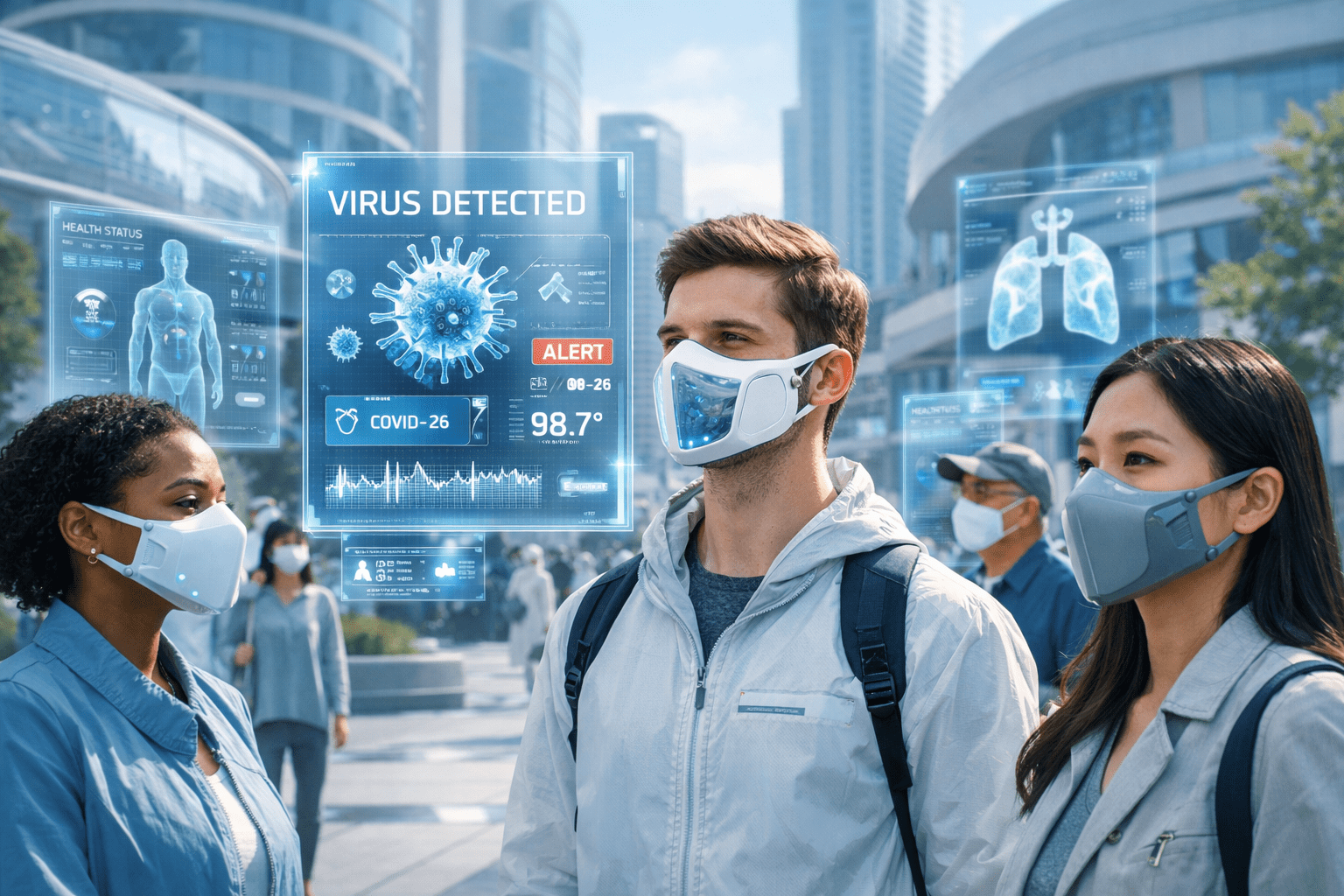
COVID symptoms 2026: COVID-19 continues to evolve, and by 2026, new variants have changed how symptoms appear and how the virus spreads. While vaccines, prior infections, and improved treatments have reduced severe outcomes, staying informed remains essential for protecting yourself and others.
Contents
Common COVID Symptoms in 2026
The symptoms of COVID-19 in 2026 are often milder for many people, especially those who are vaccinated or previously infected. However, the virus still presents a wide range of symptoms depending on the variant and individual immunity.
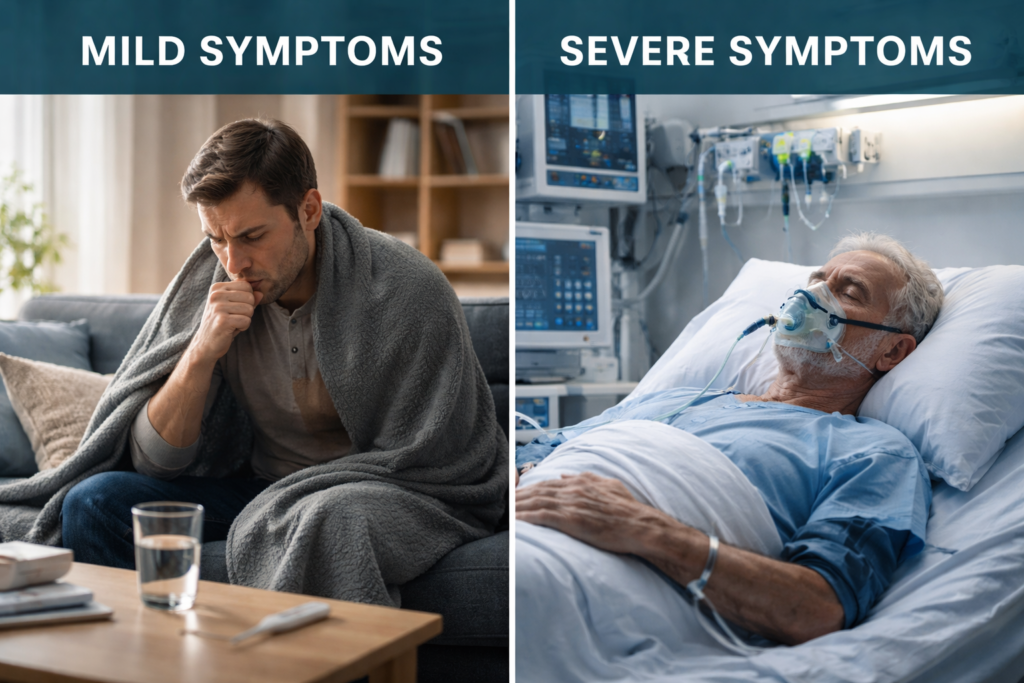
1. Respiratory Symptoms
- Persistent cough
- Mild to moderate shortness of breath
- Nasal congestion or runny nose
Unlike earlier waves, symptoms may resemble seasonal allergies or a common cold, making detection harder.
2. Flu-Like Symptoms
- Fever or chills
- Body aches and fatigue
- Headache
Fatigue remains one of the most commonly reported symptoms, even in mild cases.
3. Throat and Voice Changes
- Sore throat
- Hoarseness or voice strain
These symptoms are increasingly common with newer variants affecting the upper respiratory tract.
4. Gastrointestinal Issues
- Nausea
- Diarrhea
- Loss of appetite
Though less frequent, digestive symptoms are still seen in certain cases.
5. Loss of Taste or Smell (Less Common)
This symptom, once a hallmark of COVID-19, is now less frequently reported but can still occur.
6. Brain Fog and Mild Neurological Effects
- Difficulty concentrating
- Memory issues
- Dizziness
These symptoms may persist even after recovery, known as “long COVID.”

How COVID-19 in 2026 Differs from Earlier Years
- Shorter incubation period: Symptoms may appear within 2–3 days after exposure.
- Milder but more contagious variants: Faster spread, but fewer hospitalizations.
- Overlap with flu and allergies: Increased chances of misdiagnosis without testing.
Prevention Tips for 2026
Even with advancements, prevention remains key to controlling the spread of COVID-19.
1. Stay Updated with Vaccinations
Vaccines continue to be updated to target new variants. Annual boosters are recommended, similar to flu shots.
2. Practice Good Hygiene
- Wash hands frequently
- Use hand sanitizers when necessary
- Avoid touching your face
3. Wear Masks in High-Risk Areas
Masks are still recommended in crowded indoor spaces, hospitals, or during outbreaks.
4. Improve Indoor Air Quality

- Use air purifiers
- Ensure proper ventilation
- Avoid poorly ventilated spaces
5. Test When Symptomatic
Rapid home testing kits make it easier to confirm infection early and prevent spread.
6. Stay Home When Sick
Even mild symptoms should not be ignored. Isolating early helps protect vulnerable individuals.
Who Is Still at Risk?
While most cases are mild, certain groups remain at higher risk:
- Older adults
- People with chronic conditions (diabetes, heart disease)
- Immunocompromised individuals
These groups should take extra precautions and seek medical care promptly if symptoms worsen.
Final Thoughts

COVID-19 in 2026 is no longer the global emergency it once was, but it hasn’t disappeared. The virus has become part of everyday health concerns, similar to the flu. Recognizing symptoms early and following preventive measures can significantly reduce risks and protect your community.

Diploma in Lab Technician (DMLT)
Paramedical Board, Delhi, Govt. of India
(Reg. No. REG/23/41/1391)
Dedicated and detail-oriented Lab Technician with hands-on experience in diagnostic
testing, sample collection, and laboratory procedures. Seeking a challenging role in a
reputable healthcare organization where I can utilize my skills and contribute to accurate
and efficient patient care.
“Each health article undergoes professional medical review by experienced doctors.”