
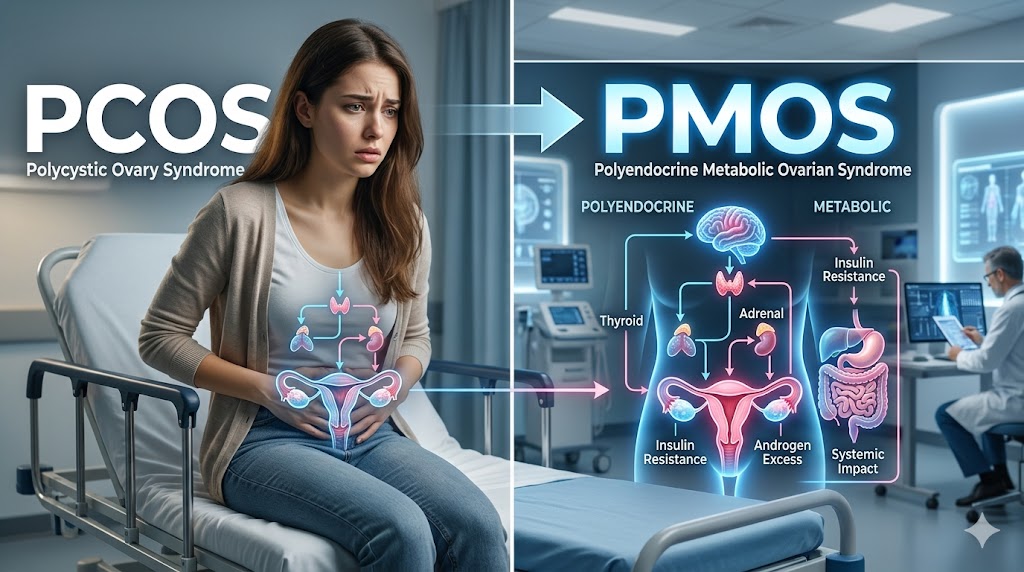
According to the Guardian, for decades, polycystic ovary syndrome (PCOS) has been one of the most misunderstood hormonal disorders affecting women. Now, global health experts and patient advocacy groups are pushing for a major change: renaming the condition to polyendocrine metabolic ovarian syndrome (PMOS). The proposed update reflects growing evidence that the disorder involves far more than ovarian cysts alone.
Contents
The change was announced after more than 14 years of international collaboration among medical organizations, researchers, and people living with the condition. Experts say the old name often caused confusion, delayed diagnosis, and reduced awareness of the disorder’s broader effects on metabolism, hormones, fertility, mental health, and cardiovascular risk.
Why Experts Want to Rename Polycystic Ovary Syndrome
The term “polycystic ovary syndrome” has long been criticized as medically misleading. Many women diagnosed with PCOS do not actually have ovarian cysts. Instead, the condition is driven by complex hormonal and metabolic imbalances involving insulin resistance, androgen excess, and ovulation dysfunction.
Researchers believe the new term, polyendocrine metabolic ovarian syndrome, better represents the condition because it highlights:
- Endocrine dysfunction involving hormone imbalance
- Metabolic complications such as insulin resistance and obesity
- Ovarian and reproductive effects including irregular ovulation and infertility
According to experts involved in the renaming effort, the older terminology focused too heavily on the ovaries while ignoring the systemic nature of the disorder.
What Is Polycystic Ovary Syndrome?
PCOS/PMOS→Hormonal Imbalance+Metabolic Dysfunction+Ovulation Disorders
Polycystic ovary syndrome is one of the most common hormonal disorders among women of reproductive age. It affects an estimated 10% to 13% of women worldwide and is a leading cause of infertility.
The condition is associated with elevated androgen levels, insulin resistance, and irregular menstrual cycles. Symptoms can vary widely between individuals, making diagnosis difficult in some cases.
Common Symptoms of Polycystic Ovary Syndrome
Women with polycystic ovary syndrome may experience:
- Irregular or missed periods
- Difficulty becoming pregnant
- Excess facial or body hair
- Acne and oily skin
- Weight gain or difficulty losing weight
- Thinning hair on the scalp
- Darkened skin patches
- Fatigue and mood changes
Not everyone develops the same symptoms, and severity can differ significantly.
Health Risks Linked to PCOS
Modern research increasingly recognizes polycystic ovary syndrome as a long-term metabolic and endocrine disorder rather than only a reproductive condition.
Women with PCOS may face a higher risk of:
- Type 2 diabetes
- High cholesterol
- High blood pressure
- Sleep apnea
- Anxiety and depression
- Endometrial cancer
- Cardiovascular disease
Insulin resistance is considered one of the major drivers behind many of these complications.
How Polycystic Ovary Syndrome Is Diagnosed
Most doctors currently use the Rotterdam Criteria for diagnosis. A patient generally meets the criteria if at least two of the following are present:
- Irregular ovulation or menstrual cycles
- Elevated androgen levels or symptoms of androgen excess
- Polycystic ovaries seen on ultrasound
Doctors must also rule out other hormonal disorders before confirming the diagnosis.
Treatment Options for PCOS
There is currently no permanent cure for polycystic ovary syndrome, but symptoms can often be managed effectively.
Treatment may include:
- Lifestyle and dietary changes
- Regular physical activity
- Hormonal birth control
- Fertility medications
- Insulin-sensitizing drugs such as metformin
- Weight-management therapies
Some patients may also benefit from mental health support because the condition can significantly affect emotional well-being and body image.
What the New PMOS Name Could Change
Supporters of the new PMOS terminology believe it could improve both awareness and medical care. By emphasizing the endocrine and metabolic aspects of the condition, healthcare providers may begin screening patients earlier for diabetes, cardiovascular risk, and mental health concerns.
Patient advocates also say the new name may reduce stigma and confusion. Some women reported feeling dismissed because the word “ovary” led doctors to focus only on fertility issues while ignoring broader symptoms such as fatigue, weight changes, anxiety, and insulin resistance.
International guidelines are expected to fully transition toward the PMOS terminology over the next few years.
FAQ,s
Why are doctors changing the name of PCOS to PMOS?
Medical experts say the term “polycystic ovary syndrome” does not fully describe the condition. Many women with PCOS do not have ovarian cysts, while others experience serious hormonal and metabolic problems. The proposed name PMOS better reflects the disorder’s impact on hormones, metabolism, fertility, and overall health.
What is the full form of PMOS?
PMOS stands for polyendocrine metabolic ovarian syndrome. The new term focuses on the condition’s multiple hormonal and metabolic effects rather than only ovarian symptoms.
Is PMOS a new disease?
No. PMOS is not a new disease. It is the proposed updated medical name for PCOS. The goal is to improve awareness and help people better understand the condition.
Can skinny women also have PCOS?
Yes. PCOS can affect women of all body types, including those who are thin or have a normal weight. Hormonal imbalance and insulin resistance may still occur even without obesity.
Is PCOS linked to mental health problems?
Yes. Studies show women with PCOS may have a higher risk of anxiety, depression, mood swings, and low self-esteem due to hormonal imbalance and long-term health challenges.

Diploma in Lab Technician (DMLT)
Paramedical Board, Delhi, Govt. of India
(Reg. No. REG/23/41/1391)
Dedicated and detail-oriented Lab Technician with hands-on experience in diagnostic
testing, sample collection, and laboratory procedures. Seeking a challenging role in a
reputable healthcare organization where I can utilize my skills and contribute to accurate
and efficient patient care.
“Each health article undergoes professional medical review by experienced doctors.”