
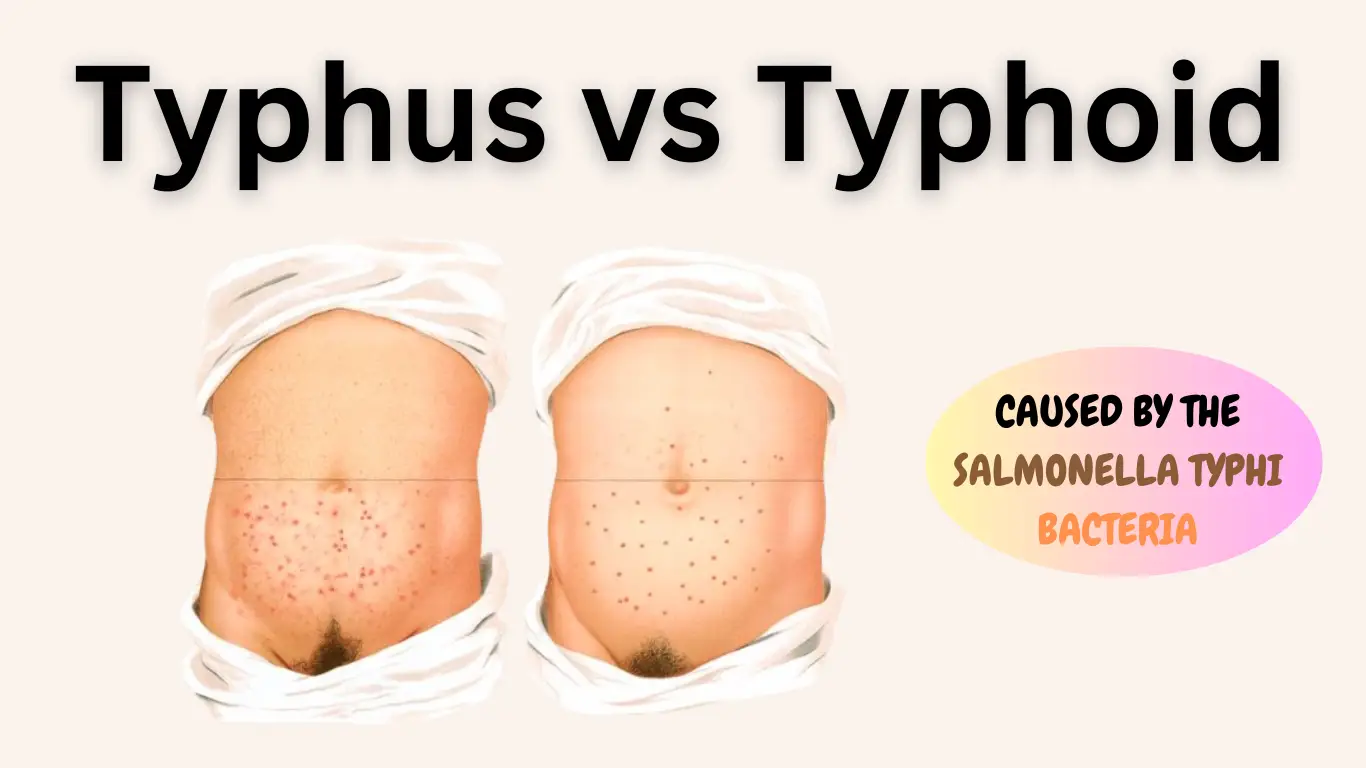
Typhus vs Typhoid
Typhus vs typhoid: These are two distinct diseases that are often confused due to their similar-sounding names. However, these illnesses are caused by different pathogens, have different transmission methods, and require different treatments. Understanding the differences between typhoid and typhus, along with recognizing the symptoms and treatment options for typhoid fever, is crucial for effective prevention and management.
Contents
What is Typhoid Fever?
Typhoid fever is a bacterial infection that’s caused by the Salmonella Typhi bacteria. It is primarily spread through the consumption of food or water contaminated with the feces of an infected person. Typhoid fever is most common in areas with poor sanitation and limited access to clean water, particularly in parts of Asia, Africa, and Latin America.
What is Typhus?
Typhus, on the other hand, is a group of infectious diseases caused by Rickettsia bacteria, transmitted to humans through the bites of infected lice, fleas, or mites. Unlike typhoid fever, which is associated with contaminated food and water, typhus is spread by vectors such as insects. There are several types of typhus, including epidemic typhus, endemic typhus, and scrub typhus, each associated with different vectors and regions.
Key Differences Between Typhus and Typhoid Fever
Although typhus and typhoid fever may sound similar—and even share the root word “typhi”—they are entirely different diseases caused by distinct pathogens. This similarity in naming often leads to confusion, making accurate diagnosis more challenging, especially in early stages when symptoms overlap.
From a scientific standpoint, typhus is caused by Rickettsia typhi, a bacterium transmitted primarily through fleas. In contrast, typhoid fever results from infection with Salmonella typhi, a bacterium spread through contaminated food and water.
Why Diagnosis Can Be Confusing
Both illnesses can present with fever, headache, and general weakness, which can blur clinical distinctions. Additionally, the shared “typhi” terminology in their names contributes to frequent misinterpretation among patients and even non-specialist healthcare providers.
Causative Agent:
- Typhoid: Caused by the bacterium Salmonella Typhi.
- Typhus: Caused by Rickettsia bacteria, with different species responsible for various forms of typhus.
Geographical Prevalence:
- Typhoid: Common in regions with poor sanitation and hygiene.
- Typhus: Associated with crowded living conditions and poor hygiene, often seen in areas with a history of lice or flea infestations.
Symptoms:
- Typhoid: High fever, abdominal pain, headache, fatigue, and sometimes a rash.
- Typhus: High fever, severe headache, muscle pain, and a characteristic rash that spreads from the trunk to the limbs.
Major Differences in Transmission, Treatment, and Prevention
1. Transmission (Vector)
- Typhoid Fever: Spread through ingestion of contaminated food or water, typically in areas with poor sanitation.
- Typhus: Transmitted through flea bites or contact with infected insect feces, often associated with crowded or unhygienic living conditions.
2. Treatment Approach
- Typhoid Fever: Managed with hydration therapy (fluids and electrolytes) along with appropriate low-grade antibiotics, depending on severity and resistance patterns.
- Typhus: Requires prompt treatment with specific antibiotics (such as doxycycline). In severe cases, supportive care like intravenous fluids or oxygen therapy may be necessary.
3. Prevention Strategies
- Typhoid Fever: Preventable through vaccination and strict avoidance of contaminated food and water. Safe drinking practices and proper sanitation are critical.
- Typhus: More difficult to prevent, as it involves controlling insect vectors. Use of insect repellents, proper clothing, and environmental insect control measures are essential.
- Both Diseases: Good personal hygiene and clean living conditions significantly reduce the risk of infection.
The Cycle of Typhoid Fever: Infection, Spread, and Prevention
The cycle of Salmonella Typhi (the bacteria responsible for typhoid fever) follows a series of stages from infection to transmission:

1. Entry into the Human Body (Ingestion)
- Salmonella Typhi enters the body through contaminated food or water.
- It survives stomach acid and reaches the small intestine.
2. Invasion of the Intestinal Wall
- The bacteria invade the Peyer’s patches (lymphoid tissues) in the small intestine.
- They enter macrophages (immune cells) and multiply inside them.
3. Spread through the Bloodstream (Bacteremia)
- Infected macrophages carry the bacteria to the liver, spleen, and bone marrow via the bloodstream.
- The bacteria multiply in these organs and re-enter the bloodstream, causing high fever and systemic symptoms.
4. Secondary Infection of Organs
- Salmonella Typhi infects the gallbladder, intestines, and other organs.
- It can form a chronic reservoir in the gallbladder (e.g., in asymptomatic carriers).
5. Shedding and Transmission
- The bacteria are shed in feces and urine of infected individuals.
- If proper hygiene is not maintained, they contaminate food and water, leading to further spread.
6. Carrier State
- Some individuals become chronic carriers, harboring the bacteria in their gallbladder without symptoms.
- These carriers can continue to spread the disease, even after recovery.
Prevention
- Vaccination (typhoid vaccines)
- Proper sanitation (safe drinking water, good hygiene)
- Handwashing and food safety measures
Symptoms of Typhoid Fever
Typhoid fever presents with a range of symptoms that can vary in severity. Common symptoms include:
- High Fever: Often sustained and can reach up to 104°F (40°C).
- Abdominal Pain: discomfort or pain occurs in the stomach area.
- Headache: Persistent and severe headaches.
- Fatigue: A general feeling of weakness and tiredness.
- Loss of Appetite: Reduced desire to eat, leading to weight loss.
- Constipation or Diarrhea: Depending on the individual, typhoid can cause either constipation or diarrhea.
- Rash: A flat, rose-colored rash may appear on the chest and abdomen.
Treatment for Typhoid Fever
Typhoid fever is primarily treated with antibiotics that target the Salmonella Typhi bacterium. Commonly used antibiotics include:
- Ciprofloxacin: Often prescribed for adults who are not pregnant.
- Azithromycin: Used as an alternative, especially in cases where resistance to other antibiotics is suspected.
- Ceftriaxone is an injectable antibiotic indicated for severe infections or when oral antibiotics are ineffective
Read more about the resistance to other antibiotics.
In addition to antibiotic therapy, supportive care, such as maintaining hydration and rest, is crucial. In severe cases, hospitalization may be necessary to manage complications like intestinal perforation.
The Role of the Typhoid Fever Vaccine
The typhoid fever vaccine is an essential tool in preventing typhoid fever, particularly for individuals traveling to areas where the disease is endemic.
There are mainly two types of typhoid vaccines:
1-Inactivated (Killed) Vaccine:
- Administered as an injection.
- It requires a booster every two years for continued protection.
2-Live Attenuated Vaccine:
- Administered orally in capsule form.
- It requires a booster every five years for ongoing immunity.
Typhoid Vaccine Side Effects
Like most vaccines, the typhoid fever vaccine can cause side effects, though they are generally mild. Common side effects include:
- Pain and Redness at the Injection Site: Mild discomfort where the shot was given.
- Fever: A low-grade fever may develop post-vaccination.
- Headache and Fatigue: Some individuals may experience headache and tiredness after receiving the vaccine.
- Gastrointestinal Symptoms: Nausea, vomiting, or abdominal pain can occur, particularly with the oral vaccine.
Severe side effects are rare, but any unusual reactions should be reported to a healthcare provider.
The Importance of Typhoid Immunization
Typhoid immunization is vital for preventing the spread of typhoid fever, especially in high-risk areas. Vaccination not only protects the individual but also helps to reduce the overall incidence of the disease in communities. For travelers, getting vaccinated against typhoid is a critical precaution to avoid contracting the disease in areas where it is common.
Key Points:
- Typhoid immunization helps prevent typhoid fever.
- It protects both you and the people around you.
- If you’re traveling to a place with typhoid, get vaccinated.
FAQs,
1. What is the main difference between typhus and typhoid fever?
The key difference lies in their cause and transmission. Typhoid fever is caused by Salmonella typhi and spreads through contaminated food and water, while typhus is caused by Rickettsia bacteria and is transmitted by fleas, lice, or mites.
2. Why are typhus and typhoid often confused with each other?
Both diseases share similar symptoms, such as fever, headache, and weakness, and even have similar-sounding names. Historically, they were once thought to be the same illness, which adds to the confusion in diagnosis.
3. How do symptoms of typhus differ from typhoid fever?
Typhus often presents with high fever, rash, and body aches, especially after insect exposure. Typhoid fever, on the other hand, commonly includes prolonged fever and gastrointestinal symptoms like abdominal pain, diarrhea, or constipation.
4. Can typhoid and typhus be prevented with vaccines?
Typhoid fever can be effectively prevented through vaccination along with safe food and water practices. In contrast, there is no widely used vaccine for most forms of typhus, so prevention relies mainly on avoiding insect bites and maintaining hygiene.
5. Which disease is more dangerous: typhus or typhoid?
Both diseases can become serious if untreated. Typhoid fever can lead to life-threatening complications affecting multiple organs, while severe typhus may cause neurological symptoms and organ damage. Early diagnosis and proper antibiotic treatment are critical for both.
Conclusion
While typhoid and typhus may sound similar, they are distinct diseases with different causes, transmission methods, and treatments. Typhoid fever, caused by Salmonella Typhi, is a serious illness that requires prompt diagnosis and treatment. The typhoid fever vaccine is a powerful tool in preventing the disease, particularly for those in or traveling to high-risk areas. By understanding the differences between typhoid and typhus, recognizing the symptoms, and staying informed about vaccination, individuals can protect themselves and contribute to the broader effort to control these diseases.
Medical Disclaimer:
Disclaimer: The content on this website is for informational purposes only and is not intended as medical advice, diagnosis, or treatment. Always consult a qualified healthcare professional for medical concerns. Reliance on any information provided here is at your own risk.

Diploma in Lab Technician (DMLT)
Paramedical Board, Delhi, Govt. of India
(Reg. No. REG/23/41/1391)
Dedicated and detail-oriented Lab Technician with hands-on experience in diagnostic
testing, sample collection, and laboratory procedures. Seeking a challenging role in a
reputable healthcare organization where I can utilize my skills and contribute to accurate
and efficient patient care.
“Each health article undergoes professional medical review by experienced doctors.”
Does your site have a contact page? I’m having problems locating it but, I’d like to shoot you an e-mail. I’ve got some ideas for your blog you might be interested in hearing. Either way, great blog and I look forward to seeing it expand over time.