Then social media complicated the conversation.
Some posts now claim that high LDL cholesterol is harmless if you are thin, active, or otherwise healthy. Others suggest that statins are unnecessary or dangerous for most people. At the same time, cardiologists are warning that looking at a single cholesterol number without considering the rest of a person’s health can also be misleading.
Contents
So what should you actually believe?
The most useful answer lies somewhere between oversimplification and online misinformation.
High LDL cholesterol remains an important contributor to atherosclerotic cardiovascular disease, including heart attack and stroke. But your personal risk cannot be understood from total cholesterol—or any single number—alone.
Your age, blood pressure, diabetes status, smoking history, family history, LDL level, triglycerides, kidney health, and sometimes newer markers such as lipoprotein(a), or Lp(a), all matter.
That is especially relevant in 2026 because updated U.S. cholesterol guidance is encouraging doctors to think about cardiovascular risk earlier in life rather than waiting until problems appear.
Recent reporting has also put the issue back in the spotlight, with cardiologists responding to growing online claims about LDL and statin therapy and experts explaining why cholesterol test results need to be interpreted in context.
News context: NBC News · The Telegraph
Here is a practical guide to what cholesterol really is, what your numbers mean, why high cholesterol can be dangerous even when you feel perfectly healthy, and what you can do to lower your risk.
What Is Cholesterol?
Cholesterol is a waxy, fat-like substance found throughout your body.
That may sound unhealthy, but cholesterol itself is not something your body can simply do without.
You need cholesterol to help:
- Build cell membranes
- Produce certain hormones
- Make vitamin D
- Produce bile acids used in digestion
Your liver makes much of the cholesterol your body needs. Cholesterol can also be influenced by food, genetics, body weight, metabolic health, medications, and other medical conditions.
The problem begins when certain cholesterol-carrying particles become too abundant in your bloodstream.
Because cholesterol cannot dissolve freely in blood, it travels inside particles called lipoproteins.
The two names most people recognize are:
- LDL
- HDL
But they do very different jobs.
What Is LDL Cholesterol?
LDL stands for low-density lipoprotein.
It is commonly called “bad cholesterol.”
Technically, LDL is a particle that carries cholesterol through your blood. When too many LDL particles circulate over many years, cholesterol can enter artery walls and contribute to the formation of plaque.
That process is called atherosclerosis.
As plaque grows, arteries may become narrowed or unstable.
If a plaque ruptures and a blood clot suddenly blocks an artery supplying the heart, the result can be a heart attack.
If blood flow to part of the brain is blocked, it can cause an ischemic stroke.
The CDC identifies elevated LDL cholesterol as an important risk factor for heart disease and stroke.
Is LDL Really “Bad”?
The nickname is useful, but it can also confuse people.
Your body does need lipoproteins to transport cholesterol.
The issue is not that every LDL particle is poisonous.
The problem is having too much atherogenic cholesterol exposure over time.
Think of it this way:
A small amount of traffic on a highway is normal.
Too much traffic, every day for decades, creates problems.
Similarly, cardiovascular risk depends not only on today’s LDL reading but also on how high it has been and for how long.
This is one reason modern guidelines increasingly emphasize controlling elevated cholesterol earlier in life.
What Is HDL Cholesterol?
HDL stands for high-density lipoprotein.
It is often called “good cholesterol.”
HDL participates in transporting cholesterol away from tissues and back toward the liver, where cholesterol can be recycled or removed.
In population studies, low HDL levels are often associated with higher cardiovascular risk.
But there is an important modern update:
A Very High HDL Number Does Not Automatically Erase the Risk From High LDL
Doctors therefore do not simply subtract “good” cholesterol from “bad” cholesterol and declare someone safe.
Your entire cardiovascular risk profile matters.
LDL and HDL have different roles, and high LDL can contribute to arterial plaque buildup even when HDL is relatively high.
What Are Triglycerides?
Triglycerides are not cholesterol.
They are another type of fat carried in your bloodstream.
When you consume more calories than your body immediately needs, some of that energy can be stored as triglycerides.
High triglyceride levels are often associated with conditions such as:
- Obesity
- Insulin resistance
- Type 2 diabetes
- Excess alcohol intake
- Metabolic syndrome
- Certain genetic disorders
- Some medications
Very high triglycerides can also increase the risk of acute pancreatitis.
For heart health, triglycerides are important because they can be part of a broader pattern of metabolic and cardiovascular risk.
HealthMozo has a detailed guide to omega-3 fish oil, triglycerides, benefits and risks. Omega-3 fatty acids can lower triglycerides in appropriate patients, although supplements should not be treated as a universal substitute for cholesterol treatment.
What Do Cholesterol Numbers Mean?
A standard lipid panel commonly measures:
- Total cholesterol
- LDL cholesterol
- HDL cholesterol
- Triglycerides
Results in the United States are generally reported in milligrams per deciliter (mg/dL).
Common Reference Levels
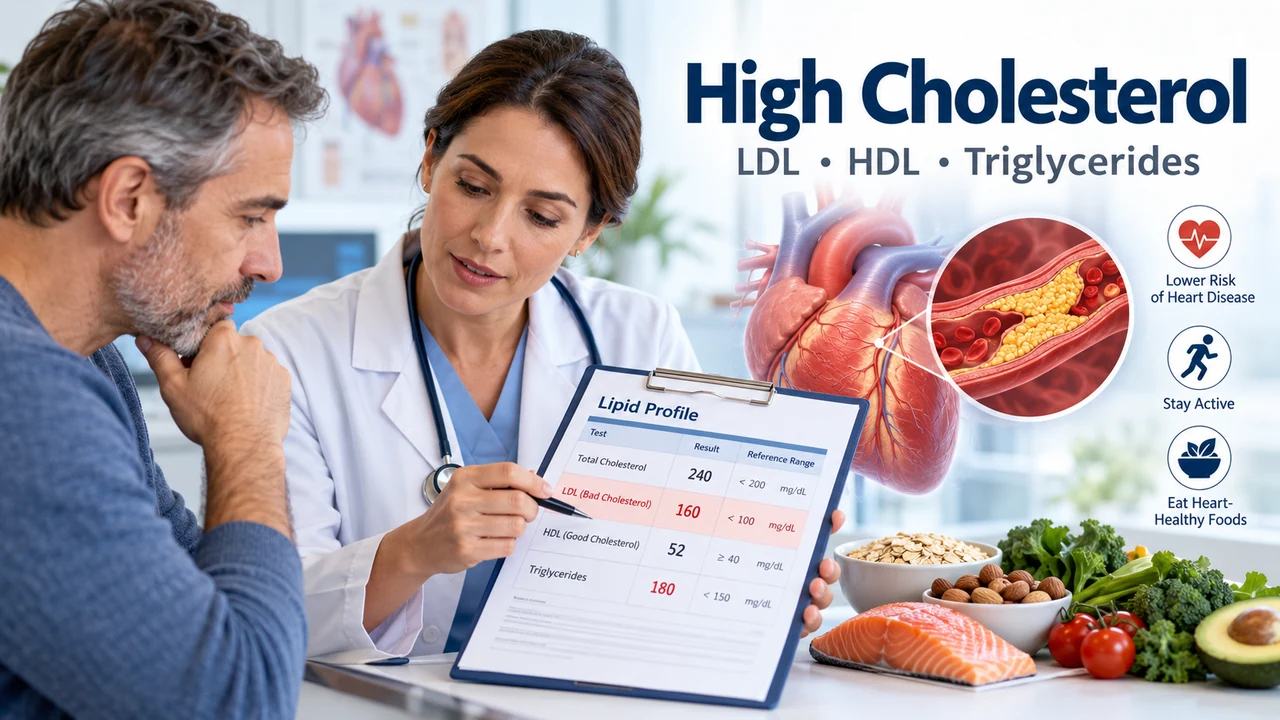
Total Cholesterol
A commonly used general reference is:
- Under 200 mg/dL: desirable
- 200–239 mg/dL: borderline high
- 240 mg/dL or higher: high
But total cholesterol alone can be misleading because it combines different types of cholesterol.
LDL Cholesterol
For many people at relatively low or intermediate cardiovascular risk, an LDL below about 100 mg/dL may be a reasonable target.
However, people at higher risk may need much lower LDL levels.
Current U.S. dyslipidemia guidance recommends lower treatment goals for people with established or very high cardiovascular risk.
For many people with previous atherosclerotic cardiovascular disease, LDL targets may be below 70 mg/dL, and very-high-risk patients may have a goal below 55 mg/dL.
That is why one person’s “acceptable” LDL may not be appropriate for another person.
HDL Cholesterol
Low HDL has traditionally been considered:
- Below 40 mg/dL in men
- Below 50 mg/dL in women
Higher HDL is generally associated with lower cardiovascular risk, but treatment decisions should not be based on HDL alone.
Triglycerides
A common interpretation is:
- Below 150 mg/dL: generally normal
- 150–199 mg/dL: borderline high
- 200–499 mg/dL: high
- 500 mg/dL or above: very high
Extremely elevated triglycerides require medical attention because pancreatitis risk can become important.
These are general reference values, not personalized treatment instructions. Your physician may recommend different targets depending on your health history.
Why Your Cholesterol Number Can Be Misleading
This is one of the most important lessons from the current cholesterol discussion.
Imagine two people who both have an LDL of 130 mg/dL.
Person A
- Age 28
- Normal blood pressure
- Does not smoke
- No diabetes
- No strong family history
- Normal kidney function
Person B
- Age 62
- Diabetes
- High blood pressure
- Smokes
- Previous heart attack
They have the same LDL number.
They do not have the same cardiovascular risk.
The second person may need much more aggressive cholesterol lowering.
This is why doctors increasingly combine cholesterol results with an overall risk assessment instead of treating one laboratory value in isolation.
What Is Non-HDL Cholesterol?
You may notice non-HDL cholesterol on your report.
It is calculated by subtracting HDL from total cholesterol.
For example:
Total cholesterol: 220 mg/dL
HDL: 50 mg/dL
Non-HDL cholesterol = 170 mg/dL
Non-HDL includes several cholesterol-carrying particles that can contribute to atherosclerosis, not just LDL.
It can be particularly useful when triglycerides are elevated or when metabolic risk is present.
What Is Lipoprotein(a), or Lp(a)?
This is one cholesterol-related test many people have never heard of.
Lipoprotein(a), usually written Lp(a), is a genetically influenced lipoprotein particle associated with cardiovascular risk.
Unlike ordinary LDL cholesterol, lifestyle changes often have relatively little effect on Lp(a).
A person can:
- Exercise regularly
- Eat well
- Have a normal body weight
- Have a reasonable LDL
and still have elevated inherited Lp(a).
Current U.S. guidance recommends measuring Lp(a) at least once to identify people whose inherited cardiovascular risk may otherwise remain hidden.
That can be particularly useful if there is a family history of premature heart attack or stroke.
What Is ApoB?
Apolipoprotein B, or ApoB, is another marker increasingly used to understand cardiovascular risk.
Each major atherogenic lipoprotein particle carries ApoB.
In simple terms, ApoB can provide information about the number of potentially artery-damaging particles circulating in the blood.
Two people can sometimes have similar LDL cholesterol levels but different ApoB levels.
ApoB testing may be particularly useful in people with:
- High triglycerides
- Diabetes
- Certain metabolic conditions
- Residual cardiovascular risk despite apparently controlled LDL
Most people do not necessarily need ApoB checked routinely, but it can provide additional information in selected cases.
High Cholesterol Usually Has No Symptoms
One of the most dangerous myths about cholesterol is:
“I feel healthy, so my cholesterol cannot be a problem.”
High cholesterol usually causes no obvious symptoms.
You can exercise.
You can feel energetic.
You can have no chest pain.
And LDL-related plaque may still be slowly developing inside your arteries.
This process can continue for many years before a heart attack or stroke occurs.
That is why cholesterol is measured with a blood test rather than diagnosed based on symptoms.
Can High Cholesterol Cause Headaches or Dizziness?
Usually, high cholesterol itself does not directly cause recognizable symptoms such as headaches or dizziness.
Those symptoms can have many other causes.
If cardiovascular disease has already developed, a person may eventually experience problems such as:
- Chest pain
- Shortness of breath
- Leg pain while walking
- Stroke symptoms
- Heart attack symptoms
But these are complications—not reliable early signs of high cholesterol.
Do not wait for symptoms before checking your cholesterol.
What Causes High Cholesterol?
Many people assume cholesterol is caused entirely by eating fatty food.
That is not correct.
Several factors can contribute.
1. Genetics
Some people inherit genes that cause very high LDL cholesterol.
A well-known example is familial hypercholesterolemia (FH).
A person with FH can develop dangerously high LDL even with a healthy lifestyle.
A family history of:
- Very high cholesterol
- Heart attack at a young age
- Stroke at a young age
should therefore be taken seriously.
2. Diet High in Saturated Fat
Foods high in saturated fat can increase LDL cholesterol in many people.
Common sources include:
- Fatty meats
- Processed meats
- Butter
- High-fat dairy products
- Some baked and fried foods
- Certain tropical oils
Replacing some saturated fats with unsaturated fats can improve cholesterol levels.
3. Trans Fats
Artificial trans fats are particularly harmful because they can increase LDL while adversely affecting cardiovascular health.
Many countries have dramatically reduced industrial trans fats, but checking food labels and limiting heavily processed foods remains sensible.
4. Excess Body Weight
Being overweight does not guarantee high cholesterol, and a thin person can absolutely have high LDL.
However, excess body fat—especially when accompanied by insulin resistance—can worsen:
- Triglycerides
- HDL
- Blood pressure
- Blood sugar
- Overall cardiovascular risk
5. Physical Inactivity
Regular physical activity helps improve metabolic and cardiovascular health.
Exercise can help:
- Reduce triglycerides
- Improve insulin sensitivity
- Support healthy body weight
- Improve overall cardiovascular fitness
6. Diabetes and Insulin Resistance
Diabetes can produce an especially harmful lipid pattern.
A person may have:
- High triglycerides
- Low HDL
- Abnormal atherogenic lipoproteins
Diabetes itself also substantially increases cardiovascular risk.
If blood sugar is another concern, see HealthMozo’s guide to early signs of diabetes in American adults.
7. Smoking
Smoking damages blood vessels and greatly increases cardiovascular risk.
This means smoking plus high LDL can be much more dangerous than looking at cholesterol alone would suggest.
8. Thyroid Disease
Hypothyroidism can raise cholesterol, especially LDL.
This is one reason doctors may investigate thyroid function when cholesterol rises unexpectedly.
9. Kidney or Liver Disease
Your kidneys and liver play major roles in metabolism.
Certain kidney and liver disorders can alter lipid levels and cardiovascular risk.
10. PCOS and Metabolic Health
Polycystic ovary syndrome is not simply a reproductive condition.
Insulin resistance and metabolic abnormalities associated with PCOS can also increase the likelihood of high cholesterol and cardiovascular risk.
HealthMozo explains these broader metabolic effects in its guide to PCOS and the proposed PMOS terminology.
Does Eating Cholesterol Raise Blood Cholesterol?
This is more complicated than the old advice suggested.
Dietary cholesterol and blood cholesterol are not exactly the same thing.
For many people, saturated fat intake has a stronger effect on LDL cholesterol than dietary cholesterol itself.
That does not mean you should ignore food choices.
It means heart health is better viewed as an overall dietary pattern rather than a single “bad food.”
A healthier pattern generally emphasizes:
- Vegetables
- Fruits
- Whole grains
- Beans and lentils
- Nuts
- Seeds
- Fish
- Unsaturated vegetable oils
- Minimally processed foods
while limiting excess saturated fat and heavily processed foods.
Are Eggs Bad for Cholesterol?
Eggs contain dietary cholesterol, but they do not affect everyone in exactly the same way.
For most healthy people, eating eggs as part of an overall balanced diet is very different from consuming a diet consistently high in saturated fat, processed meat, fried foods, and excess calories.
People with:
- Very high LDL
- Familial hypercholesterolemia
- Diabetes
- Existing cardiovascular disease
may need more individualized dietary advice.
The overall eating pattern matters more than labeling one food as universally “good” or “bad.”
Foods That Can Help Lower LDL Cholesterol
No food acts like a magic cholesterol medicine.
But certain foods can contribute meaningfully to better cholesterol levels.
Oats and Barley
These contain soluble fiber, which can reduce cholesterol absorption in the digestive tract.
Beans and Lentils
Legumes provide:
- Soluble fiber
- Plant protein
- Minimal saturated fat
They are excellent replacements for some higher-saturated-fat foods.
Nuts
Walnuts, almonds, pistachios, and other nuts contain unsaturated fats and fiber.
Portion size still matters because nuts are calorie-dense.
Fruits and Vegetables
They provide fiber, potassium, antioxidants, and a wide range of nutrients important for cardiovascular health.
Olive Oil and Other Unsaturated Fats
Replacing butter or other saturated fats with unsaturated fats can improve the overall lipid profile.
Fatty Fish
Fish such as salmon, sardines, trout, and mackerel provide omega-3 fatty acids.
Omega-3s are particularly useful for triglycerides rather than being a primary LDL-lowering treatment.
What Foods Should You Limit?
If your LDL is elevated, consider reducing frequent consumption of:
- Fatty and processed meats
- Butter
- Full-fat dairy products
- Deep-fried foods
- Commercial baked goods high in saturated fat
- Foods containing trans fats
- Excessively processed fast foods
This does not mean you can never eat these foods.
Long-term dietary patterns are more important than a single meal.
Does Exercise Lower Cholesterol?
Exercise can improve your cardiovascular risk even when LDL does not fall dramatically.
Regular activity can:
- Lower triglycerides
- Improve insulin sensitivity
- Support healthy weight
- Improve blood pressure
- Increase fitness
- Sometimes raise HDL
Most adults benefit from regular aerobic activity combined with strength training appropriate for their health status.
Even walking consistently is valuable.
You do not need an extreme fitness program to benefit your heart.
Why Blood Pressure and Cholesterol Should Be Considered Together
High LDL gradually contributes to arterial plaque.
High blood pressure places additional mechanical stress on blood vessel walls.
When both occur together, cardiovascular risk rises.
That is why heart-health prevention usually addresses several factors simultaneously:
- Cholesterol
- Blood pressure
- Smoking
- Diabetes
- Weight
- Exercise
- Diet
HealthMozo’s guide to lower-sodium salt substitutes and heart-health benefits provides additional information about sodium, potassium, and blood pressure.
High Cholesterol in Women
Heart disease is sometimes incorrectly thought of mainly as a men’s health problem.
Women also face substantial cardiovascular risk.
Cholesterol risk may change with:
- Age
- Menopause
- Diabetes
- PCOS
- Blood pressure
- Pregnancy-related health history
- Smoking
- Family history
You can read more about cardiovascular disease among women in HealthMozo’s guide to common diseases affecting women’s health.
Why Cholesterol Is Trending: The Statin Misinformation Debate
The current cholesterol discussion is not only about food.
It is also about statins.
Recent reporting has highlighted growing social-media claims suggesting that:
- LDL is harmless
- Statins are unnecessary
- Statins cause widespread serious harm
- Healthy-looking people do not need to worry about high LDL
Cardiologists have pushed back against these blanket claims because decades of evidence connect elevated LDL exposure with atherosclerotic cardiovascular disease and show that appropriate LDL-lowering therapy reduces cardiovascular events in people who benefit from treatment.
But the opposite extreme is also unhelpful.
Not everyone with mildly elevated LDL automatically needs medication.
The correct question is:
What is this person’s total cardiovascular risk, and how much benefit would treatment provide?
What Are Statins?
Statins are medications that reduce cholesterol production in the liver and increase the liver’s ability to remove LDL from the bloodstream.
Common examples include:
- Atorvastatin
- Rosuvastatin
- Simvastatin
- Pravastatin
Statins are among the most extensively studied cardiovascular medicines.
They are frequently prescribed to people who:
- Have established cardiovascular disease
- Have had a heart attack or stroke
- Have very high LDL
- Have diabetes plus sufficient cardiovascular risk
- Have familial hypercholesterolemia
- Have elevated calculated cardiovascular risk
The decision should be individualized.
Are Statins Safe?
No medication is completely free of side effects.
Statins can cause problems in some people.
Possible side effects may include:
- Muscle aches
- Mild digestive symptoms
- Liver-enzyme changes
- A small increase in diabetes risk in susceptible patients
Serious muscle injury is rare.
If symptoms occur, doctors can often:
- Adjust the dose
- Switch to another statin
- Change the dosing strategy
- Use another cholesterol-lowering medication
Stopping prescribed medication because of a social-media video is not a safe substitute for discussing concerns with your physician.
Do Statins Cause Memory Loss or Dementia?
Claims that statins commonly cause major permanent memory loss are not supported by the overall evidence.
People who notice new symptoms after starting any medication should still discuss them with their doctor.
The correct approach is not to dismiss symptoms—but also not to assume that every symptom seen online represents a common statin effect.
What If You Cannot Take a Statin?
Statins are not the only cholesterol-lowering therapy.
Depending on risk and cholesterol levels, doctors may use medications such as:
Ezetimibe
Reduces cholesterol absorption in the intestine.
PCSK9-Targeting Therapy
These therapies can substantially reduce LDL and may be used in high-risk patients or certain inherited cholesterol disorders.
Bempedoic Acid
An oral LDL-lowering medication that may be useful for selected patients, including some who cannot tolerate adequate statin therapy.
Other Therapies
Additional medications may be considered based on LDL, triglycerides, inherited risk, existing cardiovascular disease, and response to treatment.
Treatment should focus on the patient’s risk—not on loyalty to one drug.
Can You Lower Cholesterol Without Medication?
Sometimes.
The answer depends on:
- How high your LDL is
- Why it is elevated
- Your genetics
- Your age
- Cardiovascular history
- Diabetes
- Blood pressure
- Smoking status
- Family history
Someone with mildly elevated LDL and low cardiovascular risk may improve considerably with lifestyle changes.
Someone with familial hypercholesterolemia and an LDL above 190 mg/dL may need medication despite an excellent lifestyle.
Diet cannot change the genes you inherited.
Practical Ways to Lower Cholesterol Naturally
Lifestyle measures that may help include:
Eat More Soluble Fiber
Good sources include:
- Oats
- Barley
- Beans
- Lentils
- Apples
- Citrus fruits
Replace Saturated Fat With Unsaturated Fat
For example:
Instead of butter, consider appropriate amounts of olive or other unsaturated oils.
Instead of frequent fatty processed meats, consider fish, beans, or leaner protein sources.
Exercise Regularly
Choose sustainable movement:
- Walking
- Cycling
- Swimming
- Jogging
- Strength training
Lose Excess Weight if Needed
Even modest weight loss can improve triglycerides, blood sugar, blood pressure, and metabolic health.
Stop Smoking
Quitting tobacco is one of the most powerful cardiovascular decisions you can make.
Limit Excess Alcohol
Alcohol can substantially raise triglycerides in susceptible individuals.
Control Diabetes and Blood Pressure
Cholesterol treatment works best as part of complete cardiovascular prevention rather than as an isolated number.
Do Garlic, Lemon Water, or Home Remedies Cure High Cholesterol?
No home drink has been proven to replace medical cholesterol treatment.
Garlic, lemon, herbs, tea, or other foods can be part of a nutritious diet, but they should not be presented as substitutes for:
- A balanced diet
- Regular exercise
- Weight management
- Smoking cessation
- Prescribed medication when medically necessary
Be particularly skeptical of products promising to “clean cholesterol from the arteries” within days.
Atherosclerosis develops over years.
There is no overnight artery-cleaning drink.
Should You Take Fish Oil for Cholesterol?
Fish oil is often misunderstood.
Omega-3 fatty acids can significantly lower triglycerides, especially at prescription-level doses.
But they are not equivalent to statins for lowering LDL.
Some formulations may have little effect on LDL, and some can increase LDL in certain circumstances.
This is why the purpose of treatment matters.
Read the full HealthMozo guide to omega-3 fish oil benefits, science and potential risks before assuming a supplement can replace cardiovascular medication.
How Is High Cholesterol Diagnosed?
A blood test called a lipid panel is the standard starting point.
It usually measures:
- Total cholesterol
- LDL
- HDL
- Triglycerides
Depending on risk, your physician may also consider:
- Non-HDL cholesterol
- Lp(a)
- ApoB
- Blood glucose or A1C
- Kidney function
- Thyroid testing
- Liver tests
For selected adults where the decision about medication remains uncertain, a clinician may consider a coronary artery calcium (CAC) scan.
Current U.S. guidance gives CAC an important role in refining cardiovascular risk in selected adults.
Do You Need to Fast Before a Cholesterol Test?
Not always.
Many cholesterol tests can now be performed without fasting.
However, your doctor may request fasting if:
- Triglycerides are high
- Previous results were unusual
- A specific metabolic evaluation is needed
- Your clinical situation requires it
Follow the instructions provided by the laboratory or healthcare professional ordering your test.
How Often Should You Check Cholesterol?
Testing frequency depends on:
- Age
- Previous cholesterol results
- Family history
- Heart disease
- Diabetes
- Other cardiovascular risk factors
- Cholesterol medication use
Healthy younger adults may need testing only periodically.
People with abnormal results or cardiovascular risk usually require more frequent monitoring.
The important point is not to wait until you have symptoms because high cholesterol is usually silent.
When Should High Cholesterol Be Taken Very Seriously?
Talk to a healthcare professional promptly if:
- LDL is extremely high
- You have a strong family history of early heart attack or stroke
- You already have coronary artery disease
- You previously had a heart attack or stroke
- You have diabetes
- You have chronic kidney disease
- Your triglycerides are extremely high
- You have multiple cardiovascular risk factors
A particularly high LDL can suggest an inherited disorder such as familial hypercholesterolemia.
Frequently Asked Questions About Cholesterol
Can a Thin Person Have High Cholesterol?
Yes.
Body weight is only one factor.
Genetics can produce high LDL even in someone who is lean, active, and eats a healthy diet.
Can an Athlete Have High LDL?
Yes.
Fitness does not make someone immune to genetic or metabolic cholesterol disorders.
Is LDL Really Dangerous?
Chronically elevated LDL is an established contributor to atherosclerotic cardiovascular disease.
Your total risk still depends on many other factors.
Is HDL Always Good?
Higher HDL is generally associated with lower risk, but an unusually high HDL does not cancel out high LDL or guarantee protection from cardiovascular disease.
What Is the Most Important Cholesterol Number?
For many people, LDL remains one of the most important measurements, but doctors may also consider non-HDL cholesterol, triglycerides, ApoB, Lp(a), and overall cardiovascular risk.
Is Total Cholesterol of 200 Dangerous?
Not necessarily by itself.
You need to know how much is LDL, HDL, and other cholesterol, as well as your other risk factors.
What Should LDL Be?
There is no one target for everyone.
A lower-risk individual may have a different goal from someone who has already had a heart attack.
Very-high-risk patients may require an LDL below 55 mg/dL under current U.S. guidance.
Can Cholesterol Be Lowered Naturally?
Yes, sometimes significantly.
Diet, exercise, weight management, smoking cessation, and metabolic health can improve cholesterol.
But genetic high cholesterol may require medication.
Can Cholesterol Go Away Permanently?
Cholesterol is a normal biological substance, so the goal is not to eliminate it.
The goal is to maintain healthier levels of atherogenic lipoproteins and reduce cardiovascular risk.
Are Statins Dangerous?
Statins can cause side effects, but serious complications are uncommon. For appropriately selected patients, the cardiovascular benefits can be substantial.
Should I Stop My Statin if My Cholesterol Becomes Normal?
Do not stop a prescribed statin without discussing it with your clinician.
In many cases, the cholesterol is lower because the medication is working.
Stopping it may allow LDL to rise again.
What Is Lp(a)?
Lp(a) is an inherited lipoprotein associated with cardiovascular risk.
Current U.S. guidance recommends at least one lifetime measurement to identify elevated inherited risk.
Can High Cholesterol Cause a Heart Attack Even Without Symptoms?
Yes.
Plaque can develop silently for years before causing a cardiovascular event.
The Bottom Line
The renewed debate around cholesterol has exposed an important problem: simple slogans are replacing medical context.
“LDL is harmless” is too simplistic.
“Everyone with mildly high cholesterol needs a statin” is also too simplistic.
What the evidence supports is more useful:
Long-term exposure to elevated LDL and other atherogenic particles contributes to cardiovascular disease, but treatment should be based on the person’s complete risk profile.
That means knowing your numbers—but also knowing what those numbers mean for you.
Pay attention to:
- LDL
- HDL
- Triglycerides
- Non-HDL cholesterol
- Blood pressure
- Blood sugar
- Smoking
- Family history
- Weight and metabolic health
- Lp(a) when appropriate
- ApoB in selected situations
And remember one of the most important facts about cholesterol:
You usually cannot feel it.
A person can look healthy, feel healthy, and still have elevated cardiovascular risk.
A simple blood test can reveal what symptoms often cannot.
If your cholesterol is elevated, do not panic—and do not let a viral social-media post make the decision for you.
Understand your results, improve the risk factors you can control, and work with a qualified healthcare professional to decide whether lifestyle changes alone are enough or whether medication offers meaningful additional protection.
That is a much better strategy than being either afraid of cholesterol or pretending it does not matter.
Sources and Further Reading
Current news discussion referenced in this article: NBC News — LDL cholesterol, statins and misinformation and The Telegraph — Prof. Kausik Ray on understanding cholesterol numbers.
Medical Disclaimer
This article is for general health education and informational purposes only. It does not provide individual medical advice, diagnosis, or treatment. Cholesterol targets and the need for medication vary according to a person’s age, medical history, and cardiovascular risk. Do not start, stop, or change cholesterol medication without consulting a qualified healthcare professional.

Diploma in Lab Technician (DMLT)
Paramedical Board, Delhi, Govt. of India
(Reg. No. REG/23/41/1391)
Dedicated and detail-oriented Lab Technician with hands-on experience in diagnostic
testing, sample collection, and laboratory procedures. Seeking a challenging role in a
reputable healthcare organization where I can utilize my skills and contribute to accurate
and efficient patient care.
“Each health article undergoes professional medical review by experienced doctors.”