
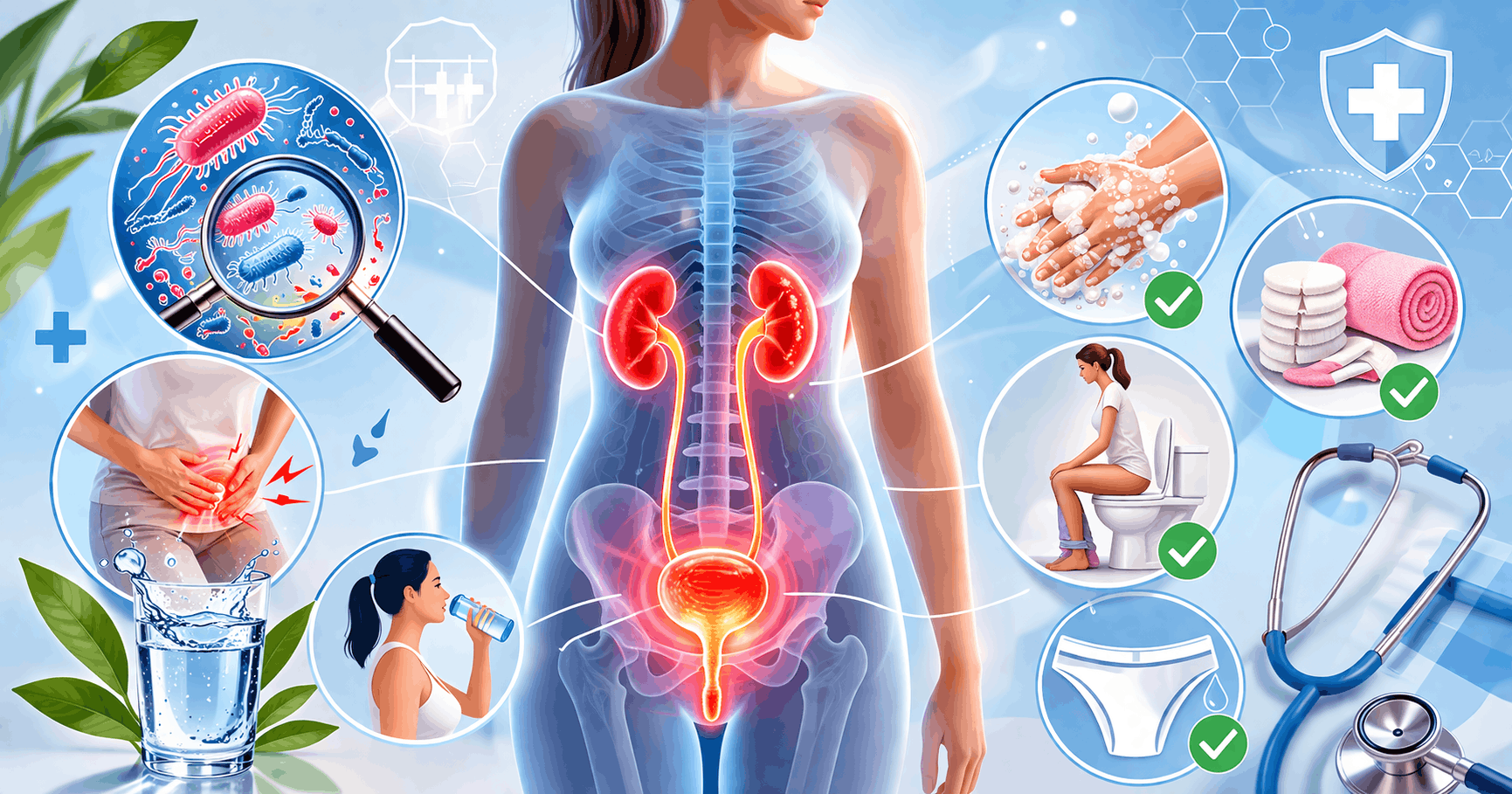
Urinary tract infections (UTIs) are among the most common bacterial infections, affecting millions of people each year. While they are more frequent in women, anyone can develop a UTI at any age. Understanding the symptoms, causes, prevention strategies, and treatment options can help you manage and avoid this uncomfortable condition.
Contents
What Is a Urinary Tract Infection (UTI)?
A urinary tract infection occurs when harmful bacteria enter and multiply within the urinary system. This system includes:
- Kidneys
- Ureters (tubes connecting kidneys to the bladder)
- Bladder
- Urethra (tube that carries urine out of the body)
Most UTIs affect the lower urinary tract (bladder and urethra), but if left untreated, the infection can spread to the kidneys, leading to more serious complications.
Common Symptoms of UTIs
UTI symptoms can vary depending on the severity and location of the infection. The most common signs include:
1. Frequent Urge to Urinate
You may feel a constant need to urinate, even when your bladder is nearly empty.
2. Burning Sensation During Urination
A sharp or painful burning feeling while urinating is a classic symptom.
3. Cloudy or Strong-Smelling Urine
Urine may appear cloudy, dark, or have a strong, unpleasant odor.
4. Pelvic or Lower Abdominal Pain
Discomfort or pressure in the lower abdomen is common, especially in bladder infections.
5. Blood in Urine (Hematuria)
In some cases, urine may appear pink, red, or cola-colored due to the presence of blood.
6. Fever and Chills (Advanced Infection)
If the infection spreads to the kidneys, symptoms may include:
- High fever
- Back or side pain
- Nausea and vomiting
These signs require immediate medical attention.
Causes of Urinary Tract Infections
UTIs are primarily caused by bacteria entering the urinary tract. The most common culprit is Escherichia coli (E. coli), which normally lives in the intestines.
Key Causes and Risk Factors
1. Poor Hygiene Practices
Improper wiping (back to front) can introduce bacteria into the urethra.
2. Sexual Activity
Sexual intercourse can push bacteria into the urinary tract.
3. Female Anatomy
Women have a shorter urethra, making it easier for bacteria to reach the bladder.
4. Holding Urine Too Long
Delaying urination allows bacteria more time to grow.
5. Dehydration
Not drinking enough fluids reduces urine output, limiting the flushing of bacteria.
6. Use of Certain Products
Products like spermicides or irritating feminine hygiene sprays may increase infection risk.
7. Medical Conditions
Conditions such as diabetes or kidney stones can increase susceptibility.
8. Weakened Immune System
A compromised immune system makes it harder for the body to fight infections.
Types of UTIs
Understanding the type of UTI helps determine the severity and treatment approach:
1. Urethritis
Infection of the urethra, often causing burning during urination.
2. Cystitis
Infection of the bladder, the most common type, leading to frequent urination and discomfort.
3. Pyelonephritis
A serious kidney infection that can cause fever, back pain, and systemic illness.
Prevention Tips for UTIs
Preventing UTIs is often easier than treating them. Simple lifestyle habits can significantly reduce your risk.
1. Stay Hydrated
Drink plenty of water to flush bacteria out of the urinary tract.
2. Practice Proper Hygiene
Always wipe from front to back after using the restroom.
3. Urinate When Needed
Avoid holding urine for long periods.
- Discomfort and pain – That “full” feeling can turn into pressure or cramps
- Higher risk of infection – Holding urine gives bacteria more time to grow, which can lead to urinary tract infections (UTIs)
- Bladder weakness over time – Regularly holding it can affect how well your bladder functions
- Leakage issues – In some cases, it may lead to loss of control later
4. Urinate After Intercourse
This helps clear bacteria introduced during sexual activity.
5. Avoid Irritating Products
Skip harsh soaps, douches, and scented hygiene products.
6. Wear Breathable Clothing
Choose cotton underwear and avoid tight-fitting clothes to reduce moisture buildup.
7. Maintain a Healthy Diet
A balanced diet supports immune function and overall urinary health.
Diagnosis of UTIs
If you suspect a UTI, a healthcare provider may perform:
- Urinalysis: Checks for bacteria, white blood cells, or blood
- Urine Culture: Identifies the specific bacteria causing the infection
- Imaging Tests: In recurrent or complicated cases, scans may be used
Treatment Options
1. Antibiotics
The primary treatment for UTIs is antibiotics. The type and duration depend on the severity of the infection.
Commonly prescribed antibiotics may include:
- Trimethoprim-sulfamethoxazole
- Nitrofurantoin
- Fosfomycin
It’s important to complete the full course, even if symptoms improve.
2. Pain Relief
Over-the-counter medications may help relieve pain and burning sensations.
3. Increased Fluid Intake
Drinking more water helps flush out bacteria during recovery.
4. Home Remedies (Supportive Care)
While not a replacement for antibiotics, some remedies may support recovery:
- Cranberry products (may help prevent bacteria from sticking)
- Warm heating pads for pain relief
- Probiotics to support healthy bacteria balance
When to See a Doctor
Seek medical attention if you experience:
- Symptoms lasting more than a couple of days
- Severe pain or high fever
- Blood in urine
- Recurrent infections
- Symptoms during pregnancy
Early treatment prevents complications and speeds recovery.
Complications of Untreated UTIs
Ignoring a UTI can lead to serious health issues, including:
- Kidney infections
- Permanent kidney damage
- Sepsis (a life-threatening infection spread in the bloodstream)
- Recurrent UTIs
UTI Treatment Cost in USA + Insurance Coverage (2026 Update)
Understanding the cost of treating a urinary tract infection (UTI) in the United States is essential, especially since prices can vary widely based on severity, healthcare provider, and insurance coverage.
Average Cost of UTI Treatment in the USA
The total cost of UTI treatment depends on whether the infection is simple or complicated, and where you receive care:
- Basic UTI (Outpatient Treatment):
Typically costs $100 to $300 without insurance, including doctor consultation, urine tests, and antibiotics. - With Health Insurance:
Most patients pay $10 to $75 total (copays for doctor visit, lab tests, and medications). - Doctor Visit Costs:
- With insurance: $10–$50 copay
- Without insurance: $80–$250 per visit
- Urgent Care or Clinic Visit:
Around $90–$250 without insurance, depending on location - Antibiotics Cost:
- With insurance: $5–$20
- Without insurance: $10–$60
Emergency Room & Severe Cases
Costs increase significantly if the infection becomes serious:
- Emergency Room Visit:
Around $2,200+ on average in the U.S. - Hospitalization (Kidney Infection or Complicated UTI):
Can range from $5,000 to $20,000 or more, depending on severity and hospital stay duration.
UTI Treatment Cost With Insurance
Most U.S. health insurance plans cover UTI diagnosis and treatment. Here’s what you can expect:
What Insurance Typically Covers
- Doctor or urgent care visits
- Urinalysis and urine culture tests
- Prescription antibiotics
- Follow-up visits (if needed)
Out-of-Pocket Costs
- Copays: $10–$50 per visit
- Coinsurance: 10%–50% for hospital care
- Deductibles may apply before coverage begins
Medication Coverage
Generic antibiotics like nitrofurantoin or trimethoprim are usually covered, with copays as low as $5–$15.
UTI Treatment Cost Without Insurance
If you don’t have insurance, costs can still be manageable for mild infections:
- Clinic Visit + Tests + Medication: $100–$300
- Telehealth Consultation: $20–$75
- Total Average Cost: $50–$400+ depending on provider
However, if the infection worsens, costs can rise dramatically into thousands of dollars.
Factors That Affect UTI Treatment Cost
Several factors influence how much you’ll pay:
- Severity of the infection (simple vs. kidney infection)
- Type of healthcare facility (clinic vs. ER vs. hospital)
- Diagnostic tests required
- Insurance plan type and deductible
- Geographic location within the U.S.
Tips to Reduce UTI Treatment Costs
- Choose urgent care or telehealth instead of the ER for mild symptoms
- Use generic antibiotics
- Check if your insurance offers free telemedicine services
- Visit in-network providers to avoid high bills
- Seek early treatment to prevent complications
Final Thoughts
Urinary tract infections are common but manageable with the right knowledge and care. Recognizing symptoms early, maintaining proper hygiene, and seeking timely treatment can make a significant difference. Prevention plays a key role—simple daily habits can help protect your urinary health and reduce the risk of future infections.
If you experience symptoms frequently, it’s important to consult a healthcare professional to identify underlying causes and develop a long-term management plan.
FAQs,
1. What are the common symptoms of a urinary tract infection (UTI)?
Common UTI symptoms include a burning sensation while urinating, frequent urge to urinate, passing small amounts of urine, cloudy or bloody urine, and pelvic pain. In severe cases, symptoms like fever, chills, and back pain may occur if the infection spreads to the kidneys.
2. What causes urinary tract infections?
UTIs are mainly caused by bacteria entering the urinary tract through the urethra. The most common bacteria is E. coli. Risk factors include poor hygiene, urinary blockages (like kidney stones), weakened immunity, and catheter use.
3. How is a urinary tract infection treated?
UTIs are usually treated with antibiotics prescribed by a doctor. Drinking plenty of water and maintaining hygiene can support recovery. Early treatment is important to prevent complications like kidney infection or sepsis.
4. Can a UTI go away on its own?
Most UTIs do not go away without treatment. If left untreated, the infection can spread to the kidneys and cause serious health problems. Medical treatment is strongly recommended if symptoms appear.
5. How can you prevent urinary tract infections?
You can reduce the risk of UTIs by drinking plenty of water, maintaining proper hygiene, avoiding irritating feminine products, and urinating regularly. Cranberry products may help in some cases as a preventive measure.

Diploma in Lab Technician (DMLT)
Paramedical Board, Delhi, Govt. of India
(Reg. No. REG/23/41/1391)
Dedicated and detail-oriented Lab Technician with hands-on experience in diagnostic
testing, sample collection, and laboratory procedures. Seeking a challenging role in a
reputable healthcare organization where I can utilize my skills and contribute to accurate
and efficient patient care.
“Each health article undergoes professional medical review by experienced doctors.”